Electrical jobs offer strong pay, job security, and clear career progression without requiring four-year degrees. Entry-level electrical helpers start at $15-$22/hour. Journeyman electricians earn $28-$40/hour. Master electricians and specialized roles command $40-$60/hour.
The demand for electricians exceeds supply across residential, commercial, and industrial sectors. This shortage drives wages up and creates exceptional job security.
Here's what electrical jobs actually look like, what different roles pay, and how to break into the field.
Types of Electrical Jobs
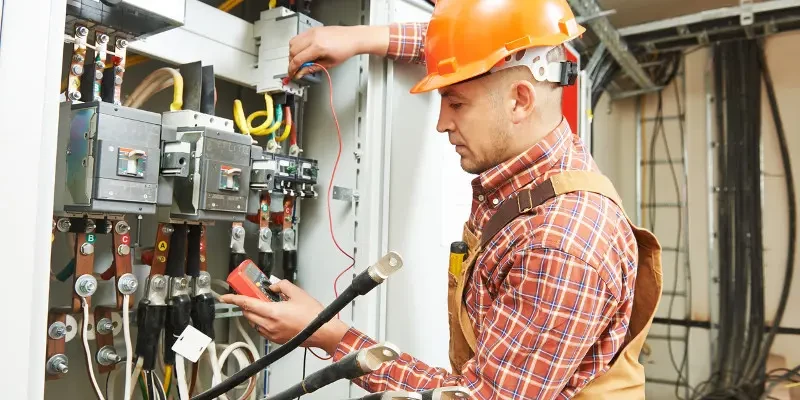
Residential Electricians install and repair electrical systems in homes. Work includes wiring new construction, troubleshooting problems, upgrading panels, installing fixtures, and service calls. Pay ranges $28-$38/hour. Regular daytime hours with occasional emergency calls.
Commercial Electricians work on office buildings, retail centers, restaurants, and commercial facilities. More complex systems than residential. Larger-scale installations. Pay ranges $35-$50/hour. Projects last weeks to months providing stable employment.
Industrial Electricians maintain electrical systems in manufacturing plants, warehouses, and industrial facilities. Work with motors, controls, PLCs, and high-voltage systems. Pay ranges $40-$60/hour. Steady employment with overtime opportunities.
Service Electricians respond to service calls, troubleshoot problems, and perform repairs across residential and commercial properties. Fast-paced work requiring strong diagnostic skills. Pay ranges $30-$45/hour plus emergency call premiums.
Maintenance Electricians work for facilities maintaining electrical systems, preventing failures, and handling repairs. Hospital, university, and corporate campus positions offer stable employment. Pay ranges $28-$42/hour with excellent benefits.
Electrical Inspectors verify installations meet code requirements. Requires extensive experience and certifications. Pay ranges $35-$50/hour. Less physical than installation work.
Electrical Jobs Career Path
Electrical Helper/Apprentice ($15-$22/hour): Assist journeyman electricians. Learn on the job while attending classes. Typically 4-5 years to journeyman level.
Journeyman Electrician ($28-$40/hour): Work independently. Read blueprints. Install, troubleshoot, and repair electrical systems. Licensed in most states.
Master Electrician ($35-$50/hour): Highest licensing level. Design electrical systems. Pull permits. Supervise other electricians. Required for business ownership in many states.
Electrical Foreman ($40-$55/hour): Supervise electrical crews on job sites. Coordinate with general contractors. Manage schedules and quality.
Electrical Contractor/Business Owner ($80,000-$300,000+ annually): Run electrical contracting business. Income depends on business size and management.
How to Get Electrical Jobs
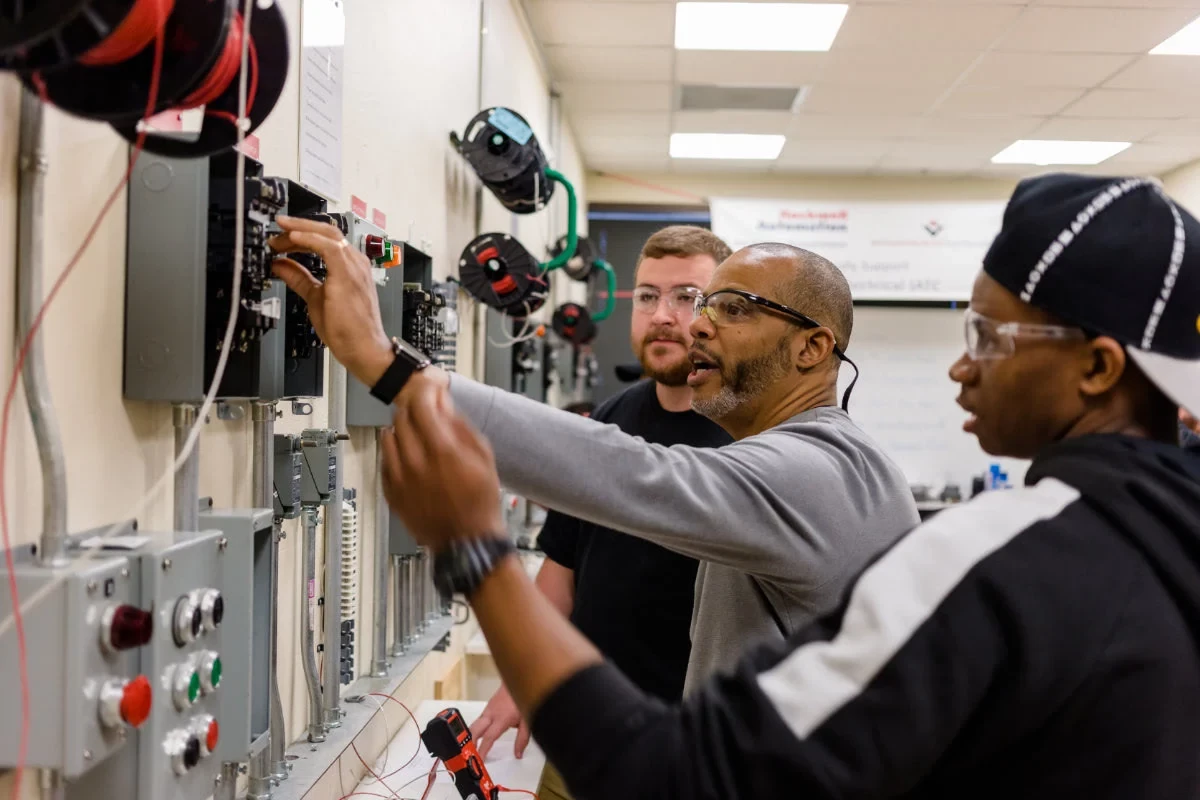
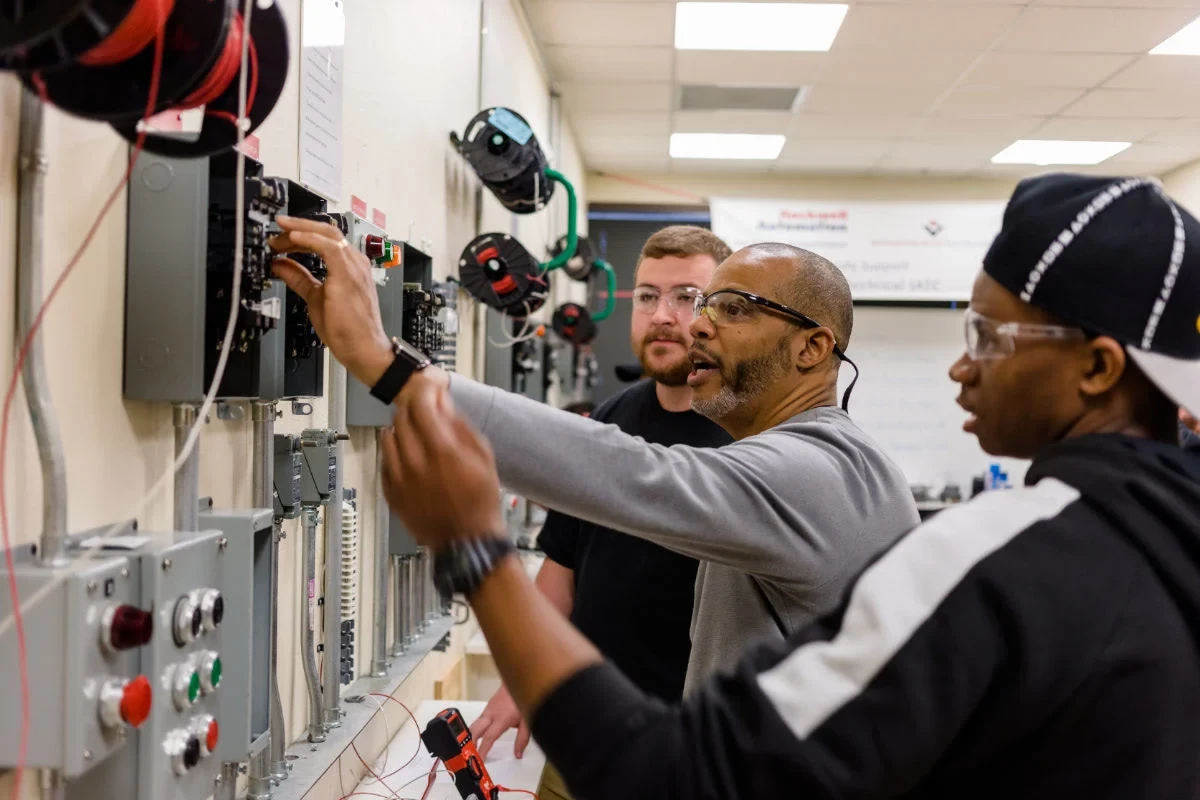
Apprenticeship Programs (4-5 years): Union apprenticeships through IBEW provide excellent training and pay while learning. Non-union apprenticeships through independent contractors or ABC (Associated Builders and Contractors) also offer pathways.
Pay starts at 40-50% of journeyman rate and increases every six months. Most programs require high school diploma, passing aptitude tests, and clean driving record.
Trade Schools (6 months to 2 years): Electrical trade schools teach fundamentals before entering apprenticeships. Accelerates initial learning but doesn't replace required apprenticeship hours for licensing.
Military Training: Army, Navy, Air Force, and Marines train electricians. Veterans transition to civilian electrical work with experience and often advanced standing in apprenticeship programs.
Licensing Requirements
Most states require electrical licensing. Requirements vary but typically include:
Apprentice License: Allows work under supervision. Requires registration and enrollment in approved apprenticeship program.
Journeyman License: Allows independent work. Requires 8,000-10,000 hours apprenticeship experience plus passing exam.
Master Electrician License: Allows design work and business ownership. Requires additional experience beyond journeyman (typically 2-4 years) plus passing exam.
Some states have reciprocity agreements allowing licensed electricians to work across state lines. Others require separate licensing for each state.
Specializations That Increase Pay
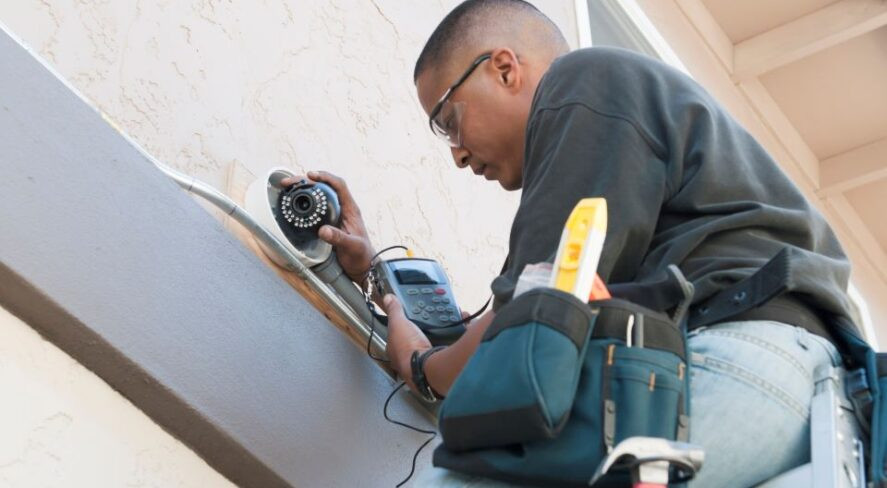
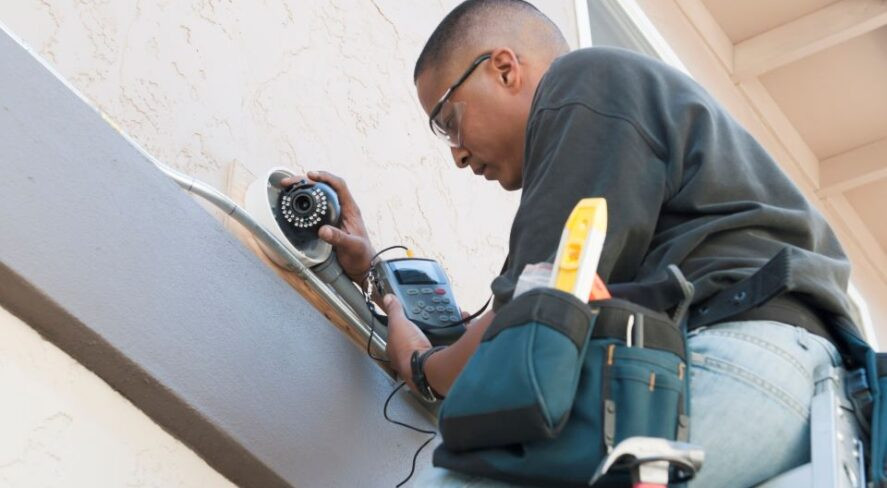
Low voltage systems: Security, communications, data cabling. Separate licensing in many states. Pay premium of $3-$8/hour above standard electrical work.
Solar installation: Growing field with strong demand. Additional certifications required. Pay ranges $35-$50/hour.
Industrial controls: PLCs, automation systems, robotics. Requires additional training. Pay ranges $40-$60/hour.
Building automation: Smart building systems, energy management. Technology-focused specialization. Pay ranges $38-$55/hour.
Find Electrical Jobs
The skilled trades workforce shortage creates exceptional opportunities for electricians across all specializations.
BC Recruits connects electricians with employers hiring across residential, commercial, and industrial electrical work.
Contact BC Recruits to discuss electrical job opportunities.
Explore high-paying skilled trades careers including electrical specializations.
Electrical jobs offer strong pay, clear career progression, and job security. Licensing requirements protect wages. Essential services create constant demand.