Quick Answer: Electrician vs Plumber vs HVAC Pay (2027 Update)
Last updated: October 27, 2026
What pays more, plumbing or electrician? Plumbers earn a BLS median of $63,800 and electricians $63,190 (May 2025). Plumbers, pipefitters, and steamfitters have the highest median pay at $63,800 a year, followed by electricians at $63,190 and HVAC mechanics and installers at $61,010, according to Bureau of Labor Statistics May 2025 wage data. The gap between the three is under $2,800 a year. The top 10% of electricians earn $108,510 and the top 10% of plumbers earn $108,420, while HVAC employment is projected to grow 11% through 2035.
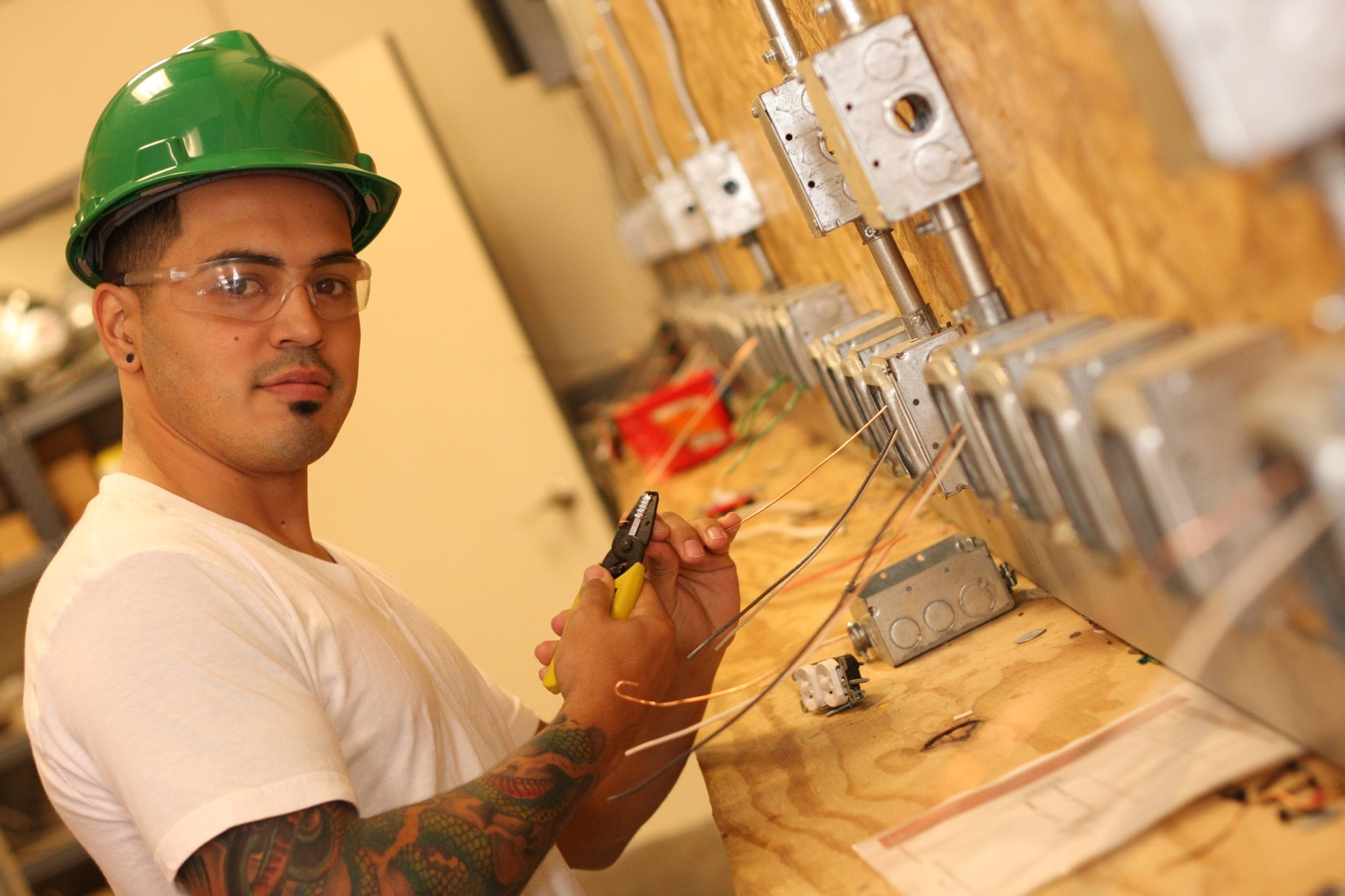
Electrician vs Plumber vs HVAC Tech: Who Actually Makes More in 2027?
What pays more, HVAC or electrician? Picking between electrical, plumbing, and HVAC comes down to three numbers: what each trade pays, how many openings exist, and how fast demand is growing. This breakdown uses Bureau of Labor Statistics data from May 2025, then adds what moves pay past the median in each trade.
Electrician vs Plumber vs HVAC Salary at a Glance
The electrician vs plumber vs HVAC salary gap is smaller than most people assume, and the trade you pick matters far less than the licenses and specialty work you add after year one.
Here is where all three land right now, using the U.S. Bureau of Labor Statistics May 2025 wage release — the most current official numbers available in 2027:
- Electricians: median $63,190 a year ($30.38/hour). The top 10% clear $108,510. (BLS)
- Plumbers, pipefitters & steamfitters: median $63,800 a year ($30.67/hour). The top 10% clear $108,420. (BLS)
- HVAC mechanics & installers: median $61,010 a year ($29.33/hour). The top 10% clear $95,210, and employment is projected to grow 11% through 2035 — much faster than average. (BLS)
Read that carefully. The median spread between the highest-paying trade (plumbing) and the lowest (HVAC) is under $2,800 a year. The real money is in the top-10% ceiling, and every one of these trades can put you well past six figures if you specialize, chase overtime, or run your own book of business. If you want the full picture beyond these three, our roundup of the highest-paying blue-collar careers in 2027 stacks them against every other trade.
All three trades are short on workers right now, which means more job offers, higher starting pay, and real leverage if you know how to negotiate. Ready to see who is hiring? Browse open electrical jobs or search every trade role on BC Recruits.
Entry-Level: Who Starts Stronger?
Electricians edge out the field at the start. A first-year electrical apprentice typically earns $18–$24 an hour, and because most electrical apprenticeships are paid from day one, you are drawing a check while you learn instead of paying tuition. Plumbing apprentices start in a similar $17–$23 range. HVAC techs often start a touch lower, around $16–$21, but they close the gap fastest because of how quickly they can add certifications.
The bottom line at entry level: nobody is getting rich, but nobody is going into debt either. Compare that to a four-year degree — see how the math works in our breakdown of what trade school costs versus college. If you are weighing which paid path to enter, our list of 12 trade apprenticeships that pay you to learn in 2026 shows exactly what each one pays and how long it runs.
Mid-Career: The Gap Shrinks
Four to seven years in — once you are licensed and running your own calls — all three trades cluster right around that $60K–$75K median band. This is where the trade you chose matters least and the moves you make matter most.
A licensed journeyman electrician handling commercial or industrial work commonly bills $32–$42 an hour. A journeyman plumber who moves into service work or pipefitting lands in the same range and often higher on prevailing-wage projects. HVAC techs who add refrigeration and commercial rooftop work start pulling serious overtime here. This is the stage where knowing how to negotiate your pay is worth more than another year of tenure.
Senior-Level: HVAC Pulls Ahead on Overtime, Electrical on Base
At the top, the story splits. Electricians hold the strongest base pay — master electricians and estimators regularly clear six figures, and the BLS top-10% figure of $108,510 understates what specialists in high-voltage, controls, or solar can command. Plumbers with a master license or a service business often match or beat that ceiling.
HVAC is the overtime king. Because heating and cooling fail on the hottest and coldest days, senior HVAC techs stack emergency, weekend, and on-call hours that push total comp past what the base median suggests. A senior tech in a hot-climate market can turn a $61K base into $90K+ with overtime alone. Here is the full path: HVAC pay from apprentice to master in 2026.
What Actually Moves the Needle on Pay
The trade on your business card is the smallest factor in your paycheck. These four levers decide whether you sit at the median or blow past the top 10%:
- Licenses. A journeyman-to-master jump is often a $10K–$20K raise on its own. Time it deliberately — here is how long each electrical license actually takes.
- Certifications. The right credential re-prices you overnight. HVAC techs need their EPA 608 certification to touch refrigerant at all, and stacking more from our list of essential certifications that boost blue-collar pay is the fastest legal raise in the trades.
- Specialty work. Controls, medical-gas, high-voltage, and refrigeration pay premiums because fewer people can do them.
- Overtime and market. The same license earns very differently in a booming metro than a slow one. Every one of these trades shows up on our list of skilled trades paying over $80,000 with no degree.
Union membership is its own lever — on prevailing-wage and commercial jobs it can mean a materially different check and benefit package. We broke the tradeoffs down in union vs non-union pay.
Read together: electrical is the largest market, so there are the most openings in absolute numbers. HVAC is the smallest but growing fastest, which tends to favor newcomers. Plumbing sits in the middle with the highest hourly median and the slowest growth. All three median wages sit within about $2,800 a year of each other, so demand in your city usually matters more than the trade label. See what is open near you on the BC Recruits job board.
Pay is only half the decision. The other half is how many jobs exist and whether that number is growing. The BLS counts about 821,000 electrician jobs in 2025, with 9 percent growth projected through 2035 and a $30.38 hourly median (BLS: Electricians). Plumbers, pipefitters and steamfitters hold about 510,600 jobs, with 7 percent projected growth and a $30.67 hourly median (BLS: Plumbers, Pipefitters and Steamfitters). HVAC mechanics and installers hold about 440,900 jobs, with 11 percent growth, the fastest of the three, and a $29.33 hourly median (BLS: HVAC Mechanics and Installers).
The median is only the middle of the pay range. HVAC technicians can close the gap through summer overtime, on-call pay, and commercial or refrigeration specialties, while electricians pull ahead with a journeyman or master license, industrial work, and lineman roles. Growth also favors HVAC, at 11 percent through 2035 against 9 percent for electricians. If you are choosing today, the better question is which trade has more openings and better training near you. Check current listings on the BC Recruits job board.
On the federal medians, electricians win by a small margin. Electricians earned $63,190 a year in May 2025 against $61,010 for HVAC mechanics and installers, a gap of $2,180, or about $1.05 an hour ($30.38 versus $29.33). Plumbers sit slightly above both at $63,800 (BLS: Electricians, BLS: HVAC Mechanics and Installers, BLS: Plumbers).
HVAC vs Electrician Salary: Which Pays More?
How Big Is the Job Market for Each Trade? (BLS, 2025 to 2035)
Which Trade Should You Pick?
Pick on fit, not on a $2,000 median difference that a single certification erases. Go electrical if you want the strongest base pay and the widest specialty ladder (solar, controls, industrial). Go plumbing if you want the highest median and the clearest path to owning a service business. Go HVAC if you want the fastest entry, the biggest overtime upside, and the strongest projected job growth of the three.
Still torn? We put the three head to head on lifestyle, ceiling, and demand in HVAC vs plumbing vs electrical: which career is best. And once you are earning, our guide to making six figures as an electrician applies to all three trades — the playbook is the same.
HVAC vs Plumbing vs Electrician: Pay, Growth and Openings
| Trade | Median pay, May 2025 | Growth, 2025 to 2035 | Openings per year |
|---|---|---|---|
| Plumbers, pipefitters and steamfitters | $63,800 | 6.8% | 42,000 |
| Electricians | $63,190 | 9.2% | 72,700 |
| HVAC mechanics and installers | $61,010 | 10.9% | 40,600 |
Source: U.S. Bureau of Labor Statistics, Occupational Outlook Handbook and Employment Projections 2025 to 2035.
Hiring or job hunting? Employers can post a trades job and job seekers can browse electrician jobs with one free profile.
Electrician vs Plumber vs HVAC: Frequently Asked Questions
Which trade pays the most starting out?Electricians typically start strongest, with paid apprenticeships in the $18 to $24 an hour range from day one. Plumbing and HVAC apprentices start close behind, and all three trades close most of the pay gap within the first four to seven years.
Which trade has the highest ceiling?Plumbers hold the highest published median, electricians hold the strongest base pay for specialists in controls and high-voltage work, and HVAC techs post the highest overtime upside because cooling and heating failures cluster on the hardest-working days of the year.
Does union membership change the math?Yes, meaningfully on prevailing-wage and commercial jobs. See our union versus non-union breakdown for the specifics in each trade.
Is one of these trades more future-proof than the others?HVAC currently shows the fastest projected job growth of the three per the BLS, largely tied to cooling demand and equipment replacement cycles. All three trades are considered low-risk for automation compared to most white-collar work.
Can I switch between these trades later?Some skills transfer, but each trade has its own licensing path and code knowledge. Most tradespeople who switch do so early, before investing years into one license track.
Running a crew and short on skilled hands? See The Blue Collar Recruiter employer services or post an electrician, plumber, or HVAC job on BC Recruits.
Ready to Find a Trade Job?
The wage data only matters if you land the role. BC Recruits lists electrician, plumber, and HVAC jobs from real employers who are hiring right now — and it is 100% free for job seekers.
CREATE YOUR FREE JOB-SEEKER PROFILE →
Hiring instead of job-hunting? If you run an electrical, plumbing, or HVAC shop, post a job on BC Recruits and get in front of licensed trades talent. Questions? Contact our team.
Hiring for these roles? Post a job on BC Recruits and reach skilled trades candidates by trade and city. Looking for work instead? Browse open skilled trades jobs.