Quick Answer: Highest Paying Trade Jobs Without a Degree (2027 Update)
Elevator installers lead the list below at a $106,580 median, followed by power plant operators and linemen. Electricians, the most common route into the trades, earned a median $63,190 in May 2025 according to the U.S. Bureau of Labor Statistics, and apprentices are paid while they train.
Highest-Paying Trade Jobs Without a Degree in 2026
You do not need a four-year degree to earn a great living. You need a skill the economy cannot outsource. The trades below all pay well above the national median, require no bachelor’s degree, and are hiring right now. Here is what they pay in 2026 and how to break in.
No Degree Does Not Mean No Credential
The highest-paying trades still gate their top pay behind a license or certification — that is what makes the money reliable. The good news: those credentials cost a fraction of a degree and often come through paid training. Compare the math in trade school vs college costs, and see the fastest raises in our guide to certifications that boost your pay.
College tells you to borrow $100K for a shot at a $50K starting salary. The trades tell you to skip the debt, get paid to learn, and start earning six figures before your college buddies finish grad school.
Highest Paying Trade Jobs Without a Degree
The highest paying trade jobs without a degree all share the same pattern: a licensed or certified skill, real demand in your market and employers who pay for output.
In 2026, the math isn't even close. Here are the highest paying trade jobs you can get with no four-year degree — ranked by what you can actually pull.
1. Elevator Installer & Repairer — $106,000+
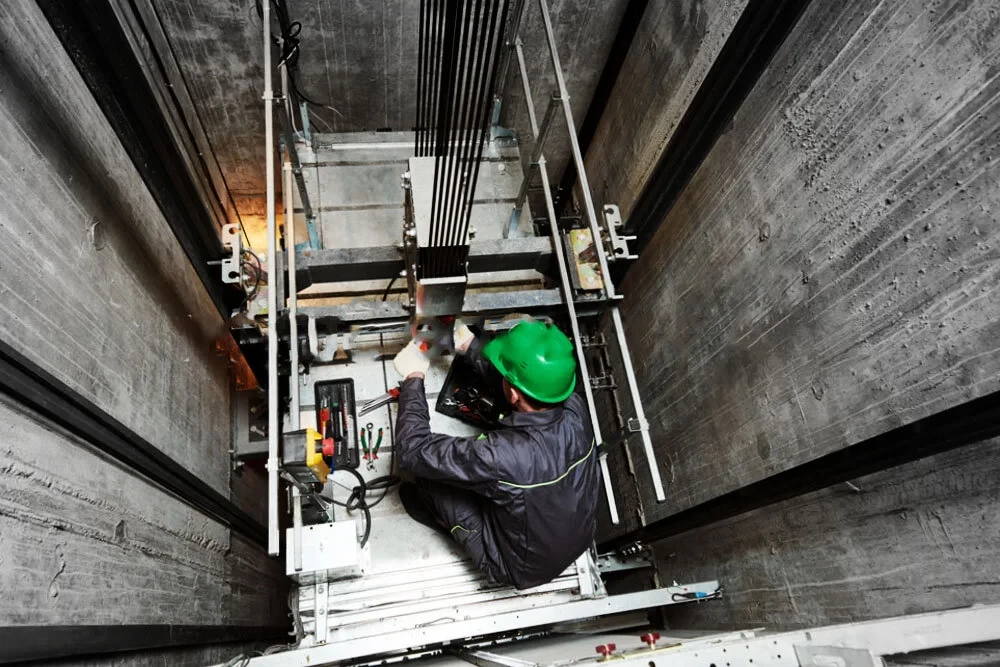
This is the king. Median pay is $106,580, with the top 10% clearing $133,000 and big-city union guys regularly pulling $150K+ with overtime.
You get in through a 4-5 year union apprenticeship. You're paid from day one. The work combines electrical, mechanical, and problem-solving skills — which is exactly why it's hard to automate and hard to outsource. Plus the union benefits are serious. If you can handle heights and confined spaces, this is the most underrated trade in America.
2. Power Plant / Nuclear Reactor Operator — $99K–$120K
Nuclear and power plant operators are one of the best-kept secrets in the trades. High pay, heavy training, and stupid-strong job security because every industrialized economy needs grid power. Entry-level starts around $80K and experienced operators in major utility markets crack $120K easily.
3. Electrical Power-Line Installer (Lineman) — $92,000+
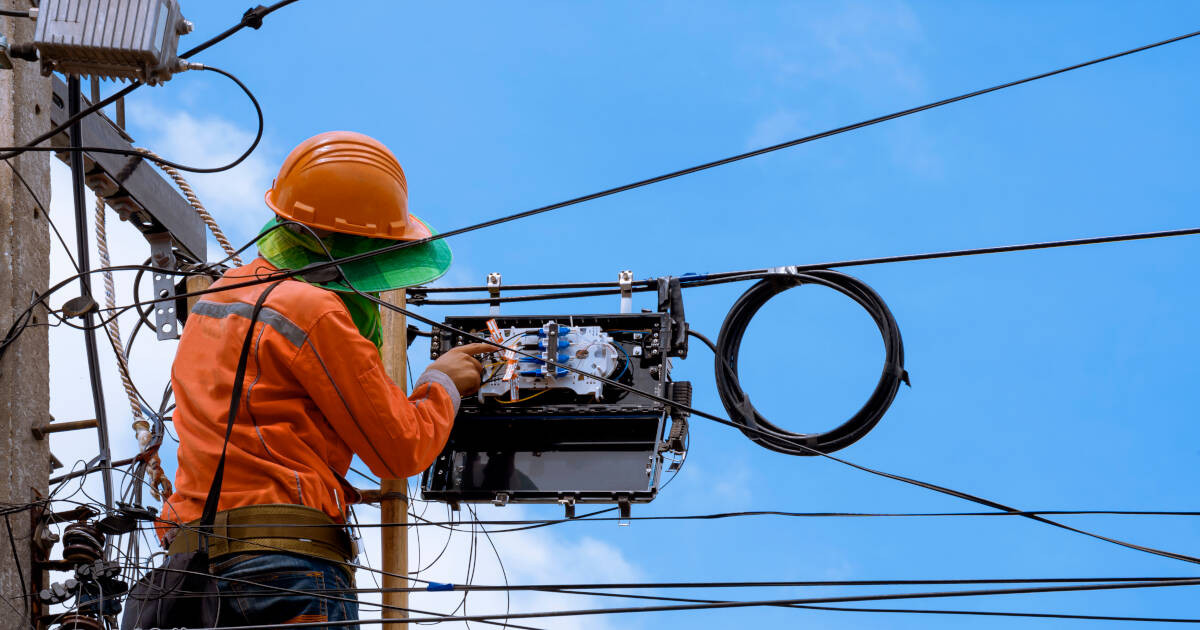
Climbing poles and fixing the grid in storms isn't for everyone — but the pay reflects it. Lineman median is $92,560, with top earners over $126K. Data center boom + aging infrastructure = explosive demand through 2030.
4. Industrial Electrician — $85,000–$160,000
Regular electricians start around $60K median. But industrial electricians — especially ones with PLC programming or high-voltage specialization — routinely clear six figures in manufacturing plants and data centers. Four-year apprenticeship, same as residential, but the ceiling is way higher.
5. Commercial HVAC Technician — $85,000–$120,000+
Residential HVAC pays okay. Commercial HVAC pays well. Add building automation (BAS) skills or commercial refrigeration certs and you're easily in the $100K+ range. Hospitals, data centers, and office towers need 24/7 climate control — and they pay emergency call premiums for anyone who can fix it fast.
6. Wind Turbine Technician — $66,000–$115,000
Fastest-growing trade in America. BLS projects 50% growth through 2034. Entry is a 7-11 month program, and offshore wind techs are making $90K+ with certs. If you want a trade that's going to explode over the next decade, this is it.
7. Aircraft Mechanic / Avionics Technician — $75,000–$120,000
Airlines are short on mechanics and paying hard to keep the ones they have. FAA certification required, but the training is fast compared to college. Five years in, $95K–$120K is standard.
8. Master Plumber — $70,000–$103,000+

Plumbers close the gap fast by mid-career. Top 10% earn $103K. Commercial pipefitters and steamfitters can go higher. And once you're licensed as a master plumber, you can open your own shop — which is where the real money lives.
9. Diesel Mechanic — $68,000–$95,000
Trucks, heavy equipment, fleet vehicles — somebody has to keep them running. ASE-certified diesel techs in major metro areas can clear $95K. Bonus: this skill travels anywhere in the country.
10. Solar PV Installer — $50,000–$80,000
Projected 42% growth through 2034. Shorter training than most trades. Growing green energy investment keeps demand high, and solar specialists in the Northeast can earn a 20–30% premium over the national median.
The Bottom Line
You don't need a college degree to build a six-figure career. You need a trade, a plan, and five years of showing up. While your friends are paying off student loans into their 30s, you'll be negotiating for foreman pay or opening your own shop.
Ready to get hired? Browse open trade jobs on BC Recruits — we connect skilled trades workers with employers actively hiring HVAC techs, electricians, plumbers, linemen, and more. No degree required. Just skills, drive, and the willingness to work.
2026 Update: Non-degree trade careers continue to outperform many white-collar starting salaries. For a deeper dive, see our electrician salary breakdown or explore welding openings hiring now.
Many of these roles start through earn while you learn programs. See the trade apprenticeships that pay you to learn.
Employers hiring for these roles can find qualified trade talent through The Blue Collar Recruiter, our sister brand focused on employer-side hiring.
How to Break Into a High-Paying Trade
Pick a trade, then enter through the lowest-cost door: a paid apprenticeship, an entry-level role, or a short certification program. Many of the best-paying trades pay you to train, and it is never too late — see trades you can start after 30. For the trades that clear the highest ceilings, cross-reference the highest-paying blue-collar careers in 2026 and the 17 trade jobs paying over $80,000.
Frequently Asked Questions
What is the highest-paying job without a degree?
Specialized trades like elevator mechanic, nuclear technician, and master electrician top the list, all clearing six figures without a bachelor’s degree.
How fast can I start earning?
Some roles start in weeks — see trade jobs you can start in 30 days — while licensed trades take a few years but pay you the whole way.
Where do I find these jobs?
Browse open trade roles from real employers on BC Recruits, free for job seekers.
Do I need a degree for these trade jobs?
No. The U.S. Bureau of Labor Statistics lists a high school diploma or equivalent as the typical entry requirement for electricians, followed by a 4 or 5 year apprenticeship.
How fast is the electrician field growing?
BLS projects 9 percent growth for electricians from 2025 to 2035, with about 72,700 openings a year.