Plumbing is one of the most reliable paths to a six-figure income without college debt. The work is essential, the demand is massive, and the pay keeps climbing as experienced plumbers retire faster than new ones enter the field.
Here's exactly how to become a plumber in 2026, what it costs, how long it takes, and what you'll actually earn.
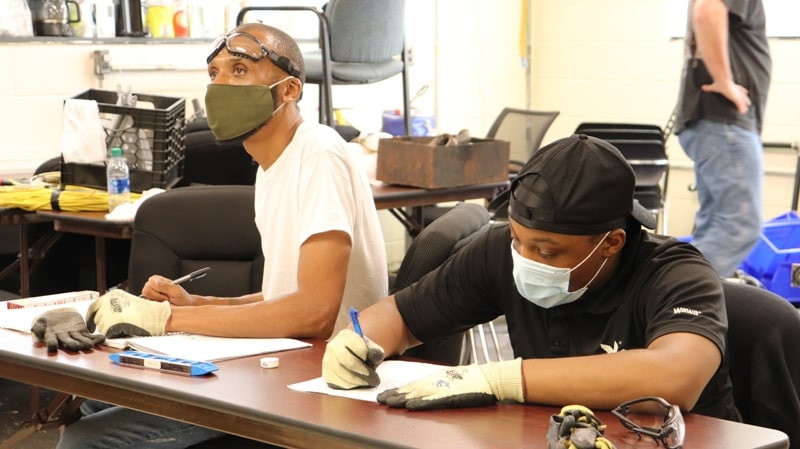
What Plumbers Actually Do
Plumbers install, maintain, and repair water supply systems, drainage systems, and fixtures in homes, businesses, and industrial facilities.
The work varies by specialization. Residential plumbers handle kitchen and bathroom fixtures, water heaters, drain cleaning, and pipe repairs. Commercial plumbers work on larger systems in office buildings, restaurants, and hotels. Industrial plumbers handle complex systems in manufacturing plants and hospitals.
Service plumbers respond to emergency calls. New construction plumbers install complete systems in buildings. Some specialize in medical gas systems, backflow prevention, or green plumbing technologies.
Training Paths to Become a Plumber
Apprenticeship Programs (Most Common)
Most plumbers learn through apprenticeships combining on-the-job training with classroom instruction. Union and non-union apprenticeships typically last 4-5 years.
Timeline: 4-5 years
Cost: Free (you get paid while learning)
Starting pay: $15-$18/hour, increasing to $25-$30/hour by year 4-5
Vocational/Trade Schools
Trade school programs run 6-18 months and cost $5,000-$20,000. You learn plumbing theory, codes, installation techniques, and hands-on skills.
Timeline: 6-18 months
Cost: $5,000-$20,000
Result: Certificate, ready for apprenticeship or helper positions
Trade school doesn't qualify you for licensing alone, but it gives foundational knowledge that can shorten required apprenticeship hours.
Online and Hybrid Training
Virtual courses let you start learning basics before hands-on work. The Blue Collar Recruiter's Virtual Trade School offers foundational plumbing training you can complete on your schedule, then transition to apprenticeship.
Timeline: 3-6 months (flexible)
Cost: $3,000-$6,000
The fastest route: trade school or online training for basics, then enter apprenticeship to gain required hours and licensing.
Licensing Requirements
Every state requires plumbers to be licensed. The typical path includes completing 4-5 years (8,000-10,000 hours) of supervised work experience and passing a journeyman license exam.
Master plumber license requires additional years beyond journeyman (typically 2-4 more years) and passing a comprehensive exam. Master plumbers can pull permits, supervise others, and run plumbing businesses.
According to the Bureau of Labor Statistics, plumber jobs are growing steadily with strong demand driven by retirements.
What You'll Actually Earn
Entry-level/Apprentice: $15-$20/hour ($35,000-$45,000 annually)
Journeyman plumbers with 5+ years experience: $28-$38/hour ($60,000-$80,000 annually). Overtime and emergency calls often push earnings to $70,000-$90,000.
Master plumbers: $38-$55/hour ($80,000-$115,000 annually). Commercial and industrial master plumbers often exceed $100,000.
Specialized plumbers earn premium rates:
- Medical gas system installers: $70,000-$95,000
- Backflow prevention specialists: $65,000-$90,000
- High-rise commercial plumbers: $75,000-$110,000
Business ownership transforms earning potential. Plumbing contractors regularly earn $150,000-$300,000+ annually once established.
Job Outlook: Will There Be Work?
Plumbing offers exceptional job security. Buildings need plumbing. People need working toilets, sinks, and water heaters. This work can't be outsourced or automated.
The demand drivers: More than half of current plumbers are over 45 and approaching retirement. New construction requires plumbers. Aging infrastructure needs repair and replacement. Green building standards create opportunities for plumbers trained in water conservation systems.
Translation: If you can plumb and show up on time, you'll have steady work.
Getting Hired: What Employers Want
Technical skill matters, but employers consistently say they struggle to find plumbers who show up on time and pass drug tests, can read blueprints and work independently, have valid licenses and keep certifications current, communicate clearly with customers, and demonstrate quality workmanship.
BC Recruits connects trained plumbers with companies actively hiring across skilled trades. We work with residential, commercial, and industrial plumbing companies nationwide.
Start Your Plumbing Career Today
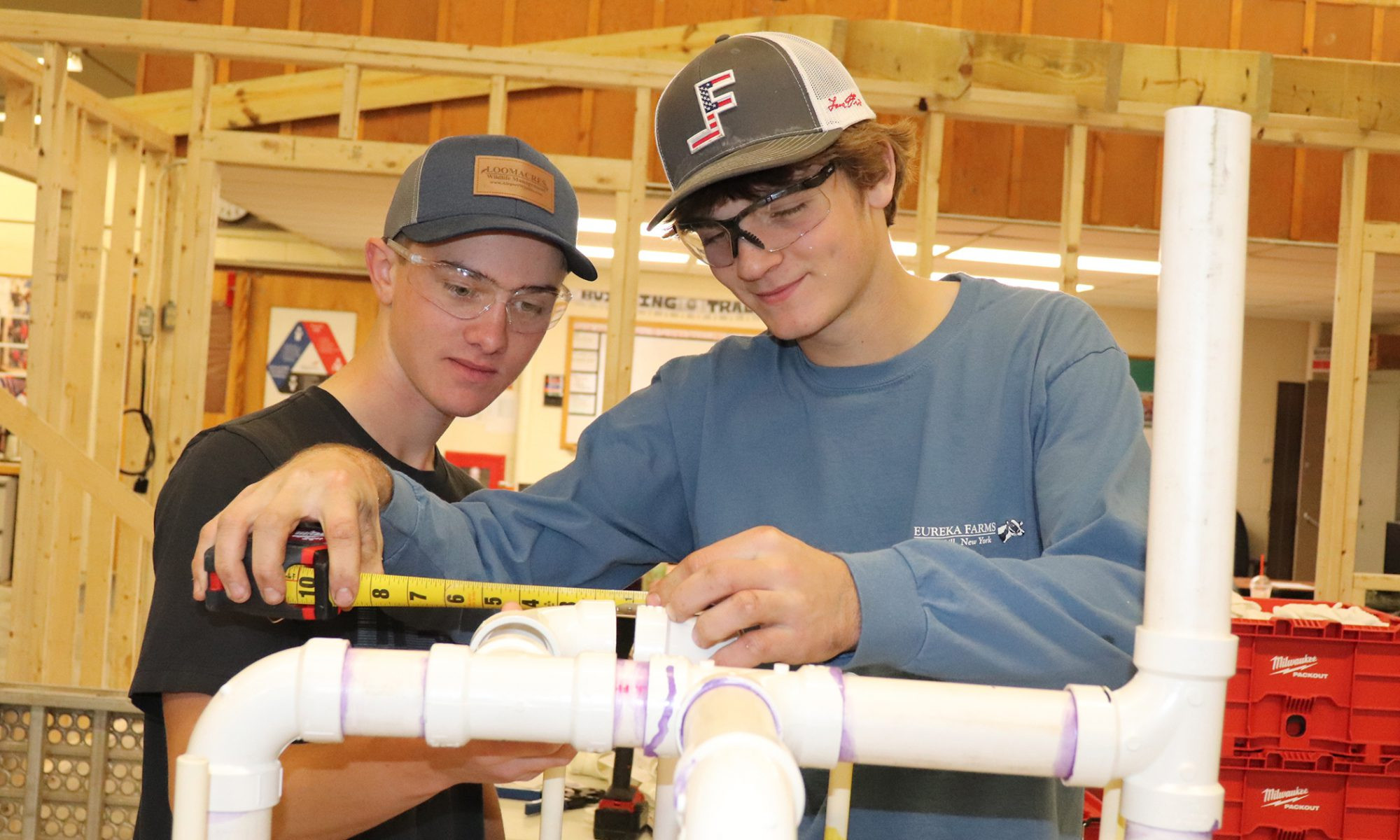
Plumbing offers a clear path to solid income without college debt. Training takes months to years depending on your path, not four years plus debt. The jobs are there. The pay is competitive. Career progression is straightforward.
Ready to start? Contact BC Recruits to discuss plumbing career opportunities and training options. We'll help you find the right path whether you're just starting or looking to advance your plumbing career.
Want to explore other skilled trades? The Blue Collar Recruiter offers training and career guidance across HVAC, electrical, welding, and more high-demand trades.
2026 Update: Plumbing remains one of the most recession-resistant trades. See current plumbing job openings or compare pay across trades in our electrician salary guide.