How to Get Union Construction Jobs in 2026 (IBEW, UA, LiUNA)
Union construction jobs offer some of the best pay, benefits, and job security in the trades. But getting in is a specific process most people never learn. This guide breaks down the three biggest building-trades unions, what they pay, and exactly how to join in 2026.
Union construction jobs offer higher pay, better benefits, and stronger job protections than non-union work. The challenge is getting in. Union hiring isn't like applying online and hoping for a callback. It's a structured process with specific entry points.
Here's how to actually get union construction jobs with IBEW (electricians), UA (plumbers and pipefitters), and LiUNA (laborers) in 2026.
Why Union Construction Jobs Pay More
Union construction workers earn 20-30% more than non-union workers doing identical work. A non-union electrician making $38/hour does the same work as a union IBEW electrician making $48/hour.
Beyond base pay, union jobs include:
Comprehensive health insurance with minimal employee cost. Pension plans that actually fund retirement. Paid training and continuing education. Strong job protections and grievance procedures. Overtime protections and premium pay rules.
The trade-off is union jobs have stricter entry requirements and less flexibility than non-union work. You can't negotiate your own pay or set your own schedule. The union contract determines everything.
For most workers, the pay and benefits far outweigh the reduced flexibility.
IBEW: International Brotherhood of Electrical Workers
IBEW represents electricians, telecommunications workers, and related trades. This is the primary union for electrical construction work.
How to get IBEW jobs:
Apply to IBEW apprenticeship programs. Most IBEW locals run apprenticeship programs accepting new classes annually or semi-annually. Application windows are specific—miss them and you wait 6-12 months for the next opening.
Requirements typically include high school diploma or GED, passing an aptitude test (algebra and reading comprehension), and passing an interview with the apprenticeship committee.
Get on the out-of-work list. Some IBEW locals maintain lists of available workers. When contractors need electricians, they call the hall. If you're a journeyman electrician, you can get on this list even without prior union membership.
Work through an organizing effort. If you're working non-union electrical and your shop organizes with IBEW, you can join that way. This is less common but happens.
IBEW apprenticeships take 4-5 years. You work full-time while attending classes. Pay starts around 40-50% of journeyman rate and increases every 6 months.
UA: United Association of Plumbers and Pipefitters
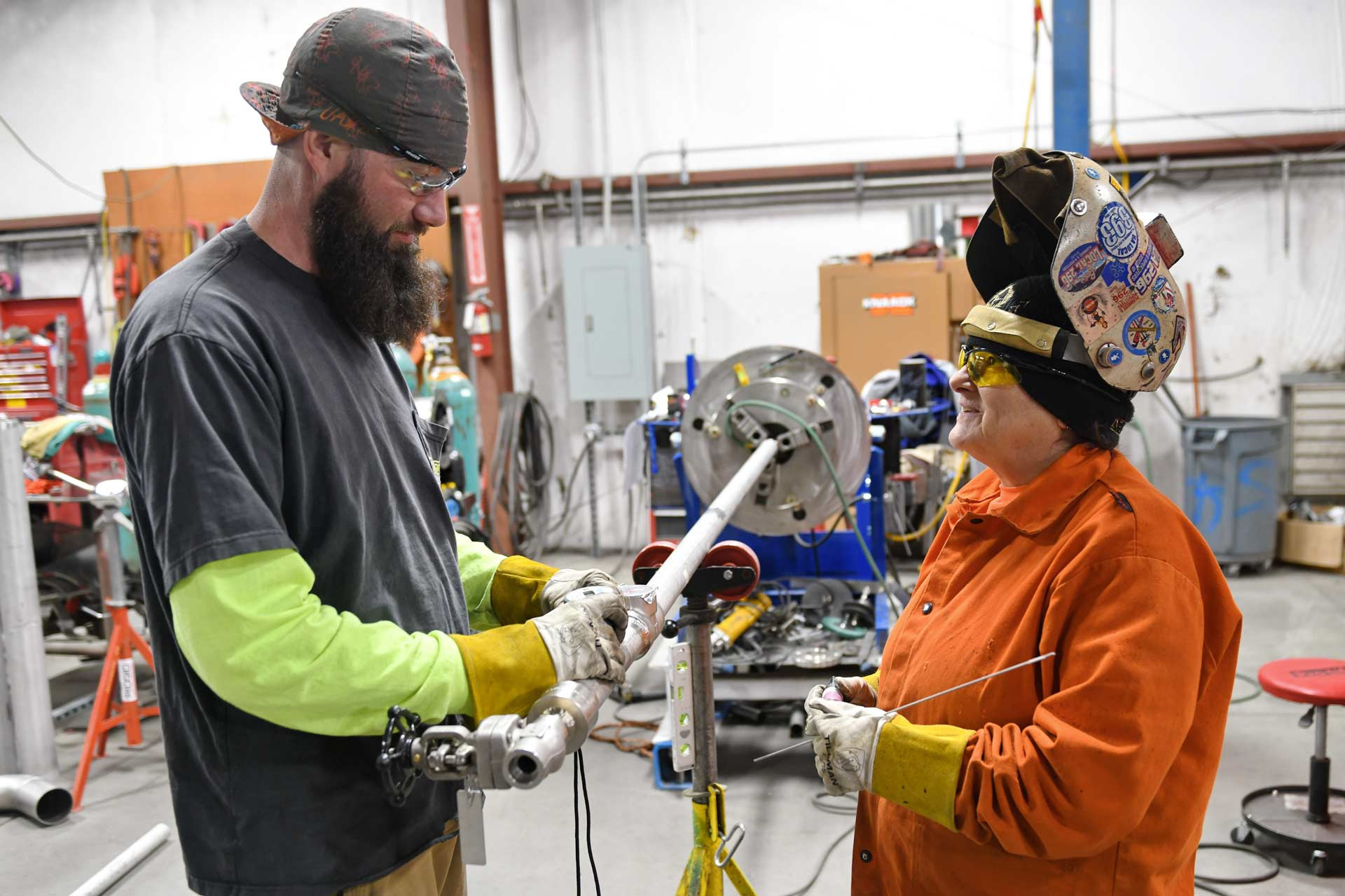
UA represents plumbers, pipefitters, HVAC techs, and welders working in construction. Strong presence in commercial and industrial plumbing.
How to get UA jobs:
Apply to UA apprenticeship programs. Similar to IBEW—specific application windows, aptitude tests, and interviews. Requirements vary by local but typically need high school diploma and passing scores on math/reading assessments.
Transfer from related trades. If you're working as a non-union plumber or pipefitter with experience and licensing, some UA locals allow direct entry at advanced apprentice or journeyman level after testing.
Veterans programs. UA has VIP (Veterans in Piping) programs helping military veterans enter plumbing and pipefitting apprenticeships with accelerated tracks.
UA apprenticeships are typically 4-5 years with classroom instruction and on-the-job training. Starting pay is 40-50% of journeyman rate.
LiUNA: Laborers' International Union of North America
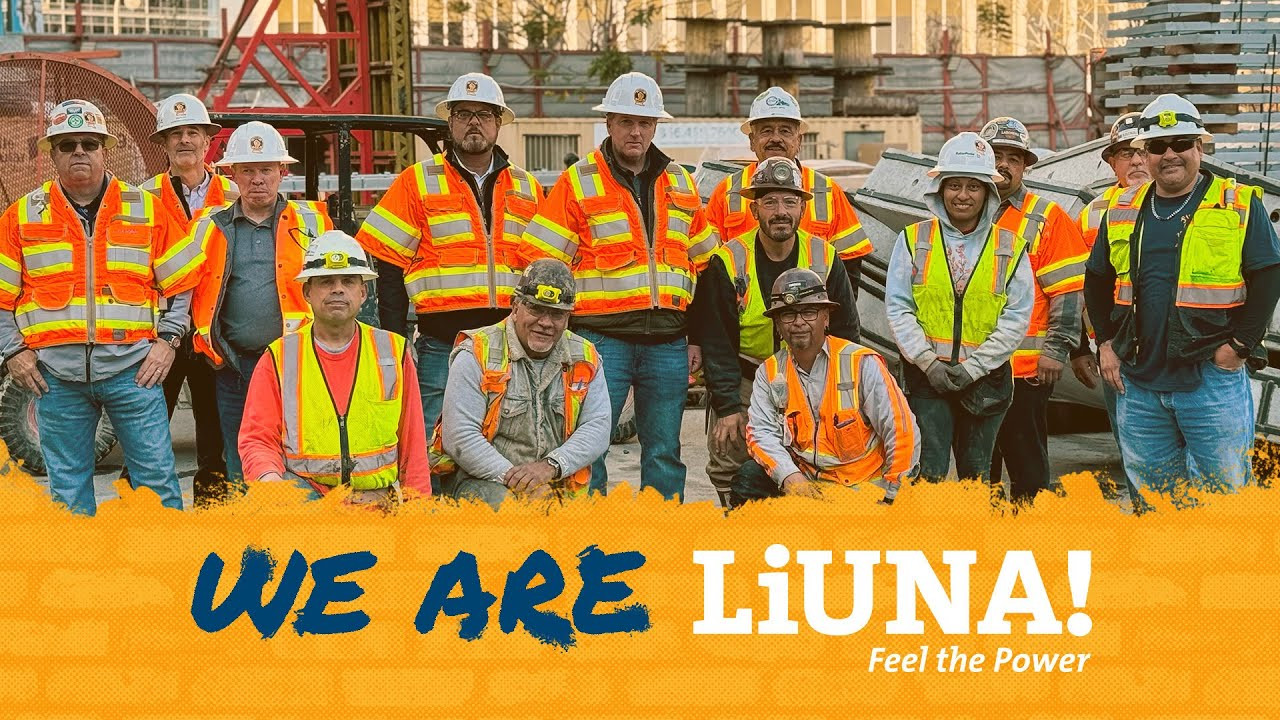
LiUNA represents construction laborers, including general laborers, concrete workers, heavy equipment operators, and specialized construction workers.
How to get LiUNA jobs:
Apply directly to LiUNA locals. Many LiUNA locals have less structured entry processes than IBEW or UA. You can apply directly, get placed on waiting lists, and get called when work is available.
Start as a pre-apprentice or helper. Some LiUNA locals have entry-level programs where you work as a helper/laborer and transition into formal apprenticeship.
Show up at union halls. Some LiUNA locals post daily work calls. Workers show up early morning and get assigned to jobs that day. This works for getting initial experience and connections.
LiUNA entry requirements are typically less strict than IBEW or UA, making it the easiest union construction entry point.
The Reality of Union Construction Work

You go where the work is. Union workers often travel to different job sites. Some jobs are local. Others require living out of town for weeks or months.
Work isn't always steady. Union construction is project-based. When projects end, you go back on the out-of-work list until the next job. Strong union members stay busy. Newer members experience more gaps.
Seniority matters. Union systems favor workers with more time in. Layoffs happen in reverse seniority order. Job assignments often go to senior members first.
The pay makes up for it. Even with occasional unemployment between projects, annual union construction earnings typically exceed non-union workers who have steadier work.
How to Join a Union: Step by Step
The main door into the union trades is a registered apprenticeship run by a local. You apply to the local Joint Apprenticeship and Training Committee, meet basic requirements (18+, high school diploma or GED, a clean driving record, and often an aptitude test), and once accepted you earn while you learn. It is one of the best paid apprenticeships available. Stacking certifications like OSHA 10 before you apply strengthens your application.
Not sure union is right for you? Weigh it against non-union work in union vs non-union pay. If you go the IBEW electrical route, our guide to making six figures as an electrician maps the path, and how long it takes to become an electrician lays out the timeline.
Frequently Asked Questions
Do union construction jobs pay more? Generally yes, especially on prevailing-wage and commercial projects, and the benefit packages (health, pension, annuity) are often worth as much as the wage. See the full comparison in electrician vs plumber vs HVAC pay.
How do I join if there is no apprenticeship opening? You can sometimes enter as a helper or through the union hall as a permit worker, then transfer into an apprenticeship when a slot opens.
Where do I find union and non-union construction openings? Browse open construction and trade roles on BC Recruits, free for job seekers. Many of these are among the highest-paying blue-collar careers in 2026.
CREATE YOUR FREE JOB-SEEKER PROFILE →
Get Help Finding Union and Non-Union Construction Jobs
Union construction offers excellent pay and benefits for workers willing to navigate the apprenticeship process and accept the structure.
BC Recruits connects construction workers with both union and non-union opportunities across electrical, plumbing, and general construction.
Contact BC Recruits to discuss construction job opportunities.
Learn more about skilled trades careers and pay across union and non-union work.