How to Make Six Figures as an Electrician (2026 Playbook)
Most electricians never reach six figures. They get their journeyman license, find steady work at $28-$35/hour, and plateau. Twenty years later, they're still making $70,000-$80,000 wondering why their income stopped growing.
The electricians earning $100,000-$150,000+ did things differently. They didn't just get better at running wire. They specialized, transitioned into higher-paying work, added strategic certifications, or moved into roles leveraging technical knowledge without spending 40 hours weekly in attics.
Here's exactly how to make six figures as an electrician.
Can Electricians Make 6 Figures?
Yes. Electricians who add the right licenses and move into service, commercial or supervisory work reach six figure trade career paths every year, and the steps below show the route.

The Reality: Timeline and Expectations
You're not making $100,000 in year one or two. Entry-level apprentices earn $15-$20/hour. First-year journeymen make $28-$35/hour ($58,000-$73,000 annually).
Realistic timeline to six figures:
Years 1-4: Apprenticeship earning $30,000-$50,000 while learning.
Years 5-7: Journeyman level earning $65,000-$85,000 with base pay plus overtime.
Years 8-12: Specialized or management roles reaching $90,000-$120,000.
Years 10+: Business ownership, master electrician with specialization, or senior management clearing $100,000-$200,000+.
The path exists. It just requires strategic decisions, not just showing up and working harder.
Geographic Location Matters More Than You Think
An electrician in San Francisco earns nearly double what the same electrician makes in rural Mississippi. Location isn't everything, but it's close.
Highest-paying metro areas for electricians:
San Francisco Bay Area: $45-$60/hour ($94,000-$125,000 annually)
New York City: $42-$55/hour ($87,000-$114,000 annually)
Seattle: $40-$52/hour ($83,000-$108,000 annually)
Chicago: $40-$50/hour ($83,000-$104,000 annually)
Lower-paying markets:
Southern states and rural areas: $24-$32/hour ($50,000-$67,000 annually)
According to the Bureau of Labor Statistics, location accounts for 30-50% variance in electrician earnings.
Moving to a high-paying market immediately increases earnings without changing your skill level. A $35/hour electrician in Atlanta becomes a $50/hour electrician in San Francisco doing identical work.
Residential vs Commercial vs Industrial: Choose Wisely

Residential electricians earn the least. Commercial electricians earn more. Industrial electricians with specializations earn the most.
Residential electricians: $28-$38/hour ($58,000-$79,000 annually). You're wiring homes, installing panels, troubleshooting circuits. Simpler systems, lower complexity, lower pay.
Commercial electricians: $35-$50/hour ($73,000-$104,000 annually). Office buildings, retail spaces, restaurants, hotels. More complex systems, higher voltage, bigger projects.
Industrial electricians: $40-$60/hour ($83,000-$125,000 annually). Manufacturing plants, data centers, refineries, power distribution. High voltage, PLCs, automation systems, critical infrastructure.
Many electricians start residential, move to commercial for better pay, then specialize in industrial for top earnings. Each transition requires learning new systems and often additional certifications, but the pay increases justify the investment.
Electricians are among the fastest-growing skilled trades with strong demand across all specializations.
Stack High-Value Certifications
Generic electrician licenses get you baseline pay. Specialized certifications unlock premium rates.
Certifications that increase earnings $10-$20/hour:
PLC programming and industrial controls: Programmable logic controllers run automated manufacturing. Few electricians understand them. Companies pay $45-$65/hour for this expertise.
Building automation systems: Smart building controls, energy management, integrated HVAC/lighting/security systems. Commercial buildings need this. Residential electricians can't do it. Pay: $42-$58/hour.
High-voltage and transmission work: Substations, transmission lines, utility-scale electrical. Dangerous, specialized, well-compensated. Pay: $50-$70/hour.
Renewable energy installation: Solar and wind electrical systems. Growing rapidly, specialized knowledge required. Pay: $40-$55/hour.
NFPA 70E arc flash certification: Electrical safety for high-risk environments. Required for many industrial facilities. Differentiates you from standard electricians.
Each certification takes weeks or months to earn and costs $1,000-$5,000. But adding $15,000-$30,000 to annual income pays back investment in months.
Union vs Non-Union: The Pay Gap
Union electricians typically earn 20-30% more than non-union counterparts in the same market.
IBEW (International Brotherhood of Electrical Workers) advantages:
Negotiated wages ($48-$60/hour in major metros). Comprehensive health insurance and retirement benefits. Apprenticeship training programs. Job placement through union halls. Overtime and prevailing wage protections.
Non-union advantages:
Geographic flexibility without jurisdictional restrictions. Potentially faster advancement to leadership. Direct negotiation with employers.
Example: Union journeyman electrician in Chicago earns $48-$52/hour with full benefits. Non-union electrician doing similar work earns $38-$42/hour with basic benefits.
Union membership makes six figures significantly easier to reach, especially in states with strong union presence.
Leverage Overtime Strategically
Overtime is the fastest path from $70,000 to $100,000 without changing jobs.
How overtime compounds:
Base pay: $40/hour = $83,200 annually at 40 hours/week
Overtime: $60/hour (time-and-a-half)
Work 5 hours overtime weekly: $60/hour × 5 hours × 52 weeks = $15,600
Total annual earnings: $98,800
Work 10 hours overtime weekly and you're clearing $115,000 annually at $40/hour base rate.
Emergency and on-call work pays even more. Weekend emergency calls often pay double-time ($80-$120/hour). One emergency call monthly adds $5,000-$10,000 annually.
The trade-off is time. You're working 50-60 hour weeks. Sustainable for a few years to build savings, buy a house, or fund business startup. Not sustainable for 20 years without burning out.
Transition to White Collar Roles Within Electrical
The highest-earning electricians spend less time in the field and more time managing projects, estimating jobs, or running operations.
High-paying white collar roles for electricians:
Electrical estimator: Bid commercial and industrial projects. Calculate materials, labor, timelines. Win profitable contracts. Salary: $70,000-$110,000.
Project manager: Oversee electrical installations across multiple job sites. Coordinate crews, manage timelines, handle client relationships. Salary: $85,000-$130,000.
Service manager: Manage electrical service department. Schedule electricians, handle escalations, ensure quality. Salary: $75,000-$115,000.
Operations manager: Oversee company electrical operations. Manage inventory, equipment, staffing, safety compliance. Salary: $90,000-$140,000.
These roles require electrical background but spend most time on computers and in meetings rather than pulling wire. You're leveraging technical expertise, not abandoning it.
Remember: most electrical jobs have significant business and management components. The best-paying skilled trades positions blend technical skills with business acumen.
Get Professional Help Reaching Six Figures
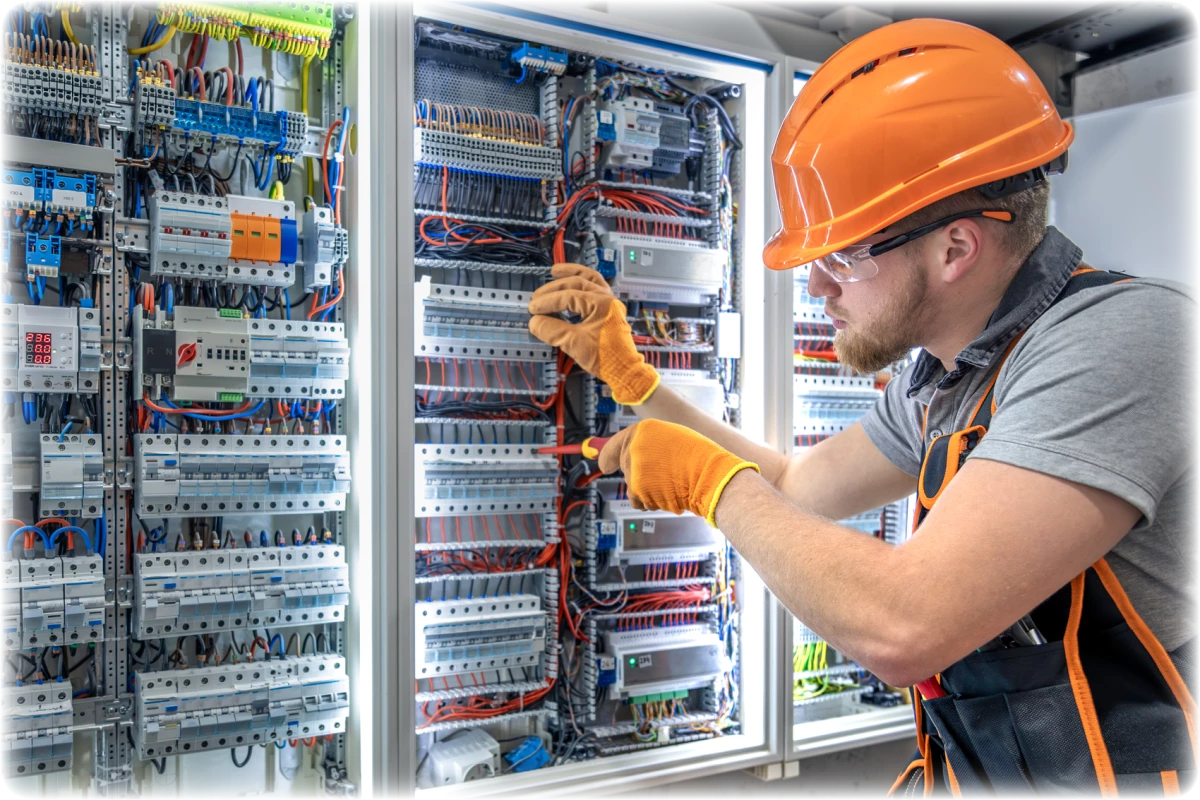
Making six figures as an electrician requires strategic career progression, not just technical competence.
BC Recruits connects licensed electricians with employers offering competitive compensation, advancement opportunities, and paths to six-figure earnings. We understand what differentiates $60,000 electricians from $120,000 electricians and help you make that transition.
Ready to find high-paying electrical opportunities? Contact BC Recruits to discuss positions in your area.
Six figures as an electrician is achievable. It just requires making strategic decisions at each career stage rather than hoping hard work alone gets you there.
Frequently Asked Questions
Can electricians really make six figures?
Yes — according to the Bureau of Labor Statistics, the top 10% of electricians earn over $100,000 annually. Master electricians, electrical contractors, and those specializing in industrial or commercial work with overtime regularly cross the six-figure threshold.
How long does it take an electrician to reach six figures?
Most electricians who reach six figures do so within 8–15 years. Accelerating factors include: earning a master electrician license, specializing in high-demand areas (industrial, solar, EV infrastructure), taking on overtime, and eventually starting your own electrical contracting business.
What electrician specialties pay the most?
The highest-paying electrician specialties include industrial electricians (manufacturing plants, refineries), linemen (power transmission), solar/renewable energy installation, and electrical contractors who run their own businesses. Locations also matter — electricians in high cost-of-living markets like California, New York, and Alaska earn significantly more.
Do union electricians make more money than non-union?
Union electricians through IBEW often earn higher wages and better benefits than non-union counterparts, with standardized pay scales and pension plans. However, self-employed electrical contractors (non-union) who build successful businesses can out-earn union wages substantially.
What certifications help electricians earn more?
Beyond journeyman and master licenses, certifications that increase earning potential include: OSHA 30 for safety supervision roles, NABCEP certification for solar installation, Low Voltage Contractor license for smart building systems, and EV charging infrastructure credentials. Explore opportunities at BC Recruits Electrical Jobs.
Additional Resources
- Top 5 Highest-Paying Blue-Collar Careers in 2026
- Electrician vs Plumber vs HVAC: Which Trade Pays More
- Essential Certifications That Boost Your Pay
- Union vs Non-Union: Which Pays More
- How Long It Takes to Become an Electrician
- How to Negotiate Your Trades Salary
2026 Update: Six-figure electrician pay is increasingly achievable as demand grows in data centers and industrial facilities. Compare earnings across the trades in our Journeyman Electrician Salary Guide, or see current electrical openings hiring now.
Employers looking to hire electricians can connect with qualified candidates through The Blue Collar Recruiter, our sister brand for employer-side hiring.
If you are still weighing trades, compare the numbers in our breakdown of electrician, plumber and HVAC tech pay before you commit to a license path.