Employers can spot AI-written resumes and cover letters instantly. And they're deleting them without reading.
Here's how to use AI strategically for your job search without sounding like a robot or getting instantly rejected.
Why Employers Hate AI-Generated Applications
Before we talk about using AI correctly, understand why employers despise obvious AI applications.
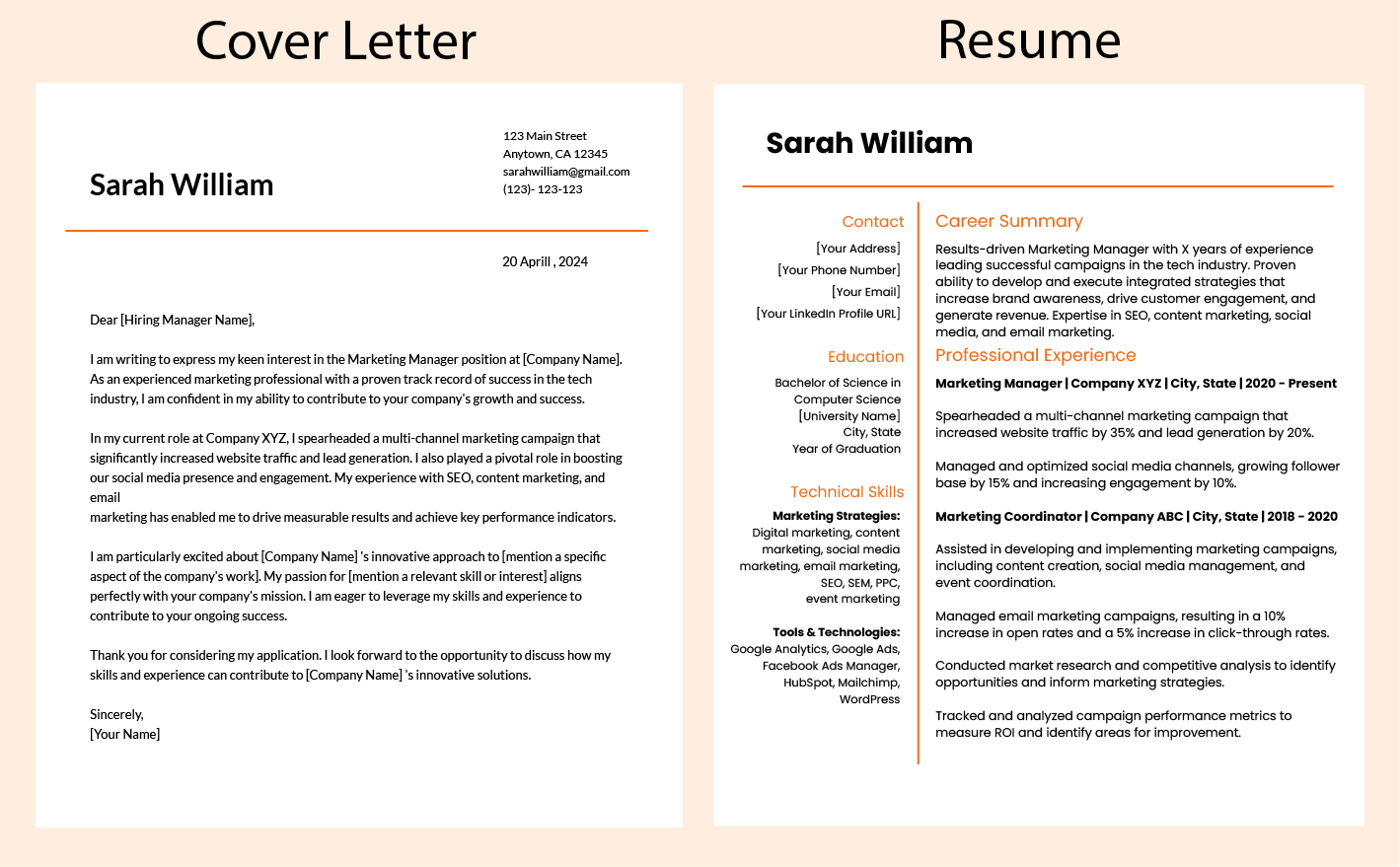
They sound generic and impersonal. Every AI resume sounds like every other AI resume. Corporate buzzwords, vague descriptions, zero personality. Hiring managers read "dedicated professional with proven track record of excellence" and immediately know you used ChatGPT.
They show you didn't care enough to customize. If you can't spend 20 minutes writing a real cover letter for a job you supposedly want, why would an employer believe you'll show up on time and work hard?
They're often inaccurate. AI makes up certifications, exaggerates experience, and lists skills you don't have. When employers call you for an interview and realize half your resume is fiction, you're done.
They waste the employer's time. Companies get 50+ AI-generated applications for every skilled trades opening. Most are from people who aren't even qualified. HR teams are sick of sorting through garbage.
According to Forbes, while 46% of job seekers use AI in applications, 75% of hiring managers report being able to identify AI-generated content easily.
What NOT to Do with AI (This Gets You Rejected)

Don't Let AI Write Your Entire Resume
Copying and pasting a ChatGPT resume is the fastest way to get ignored.
Why it fails:
Every AI resume follows the same template. Same structure, same phrasing, same vague corporate language. "Results-oriented professional with strong communication skills" appears on 1,000 resumes daily. Yours blends into the pile.
What employers see:
"This person couldn't be bothered to write their own resume. They probably applied to 100 jobs today. They don't actually care about working here."
Don't Use AI-Generated Cover Letters Unchanged
AI cover letters are even worse than AI resumes.
They all start the same way: "I am writing to express my strong interest in the [Position] role at [Company]."
They all contain generic praise: "I was impressed by your company's commitment to excellence and innovation."
They all end weakly: "I look forward to the opportunity to discuss how my skills align with your needs."
Hiring managers read this and know you sent identical letters to 50 companies, just changing the company name.
Don't Let AI Make Up Certifications or Experience
AI confidently invents credentials you don't have.
Example mistakes AI makes:
Listing EPA 608 certification when you don't have it. Claiming "5 years commercial HVAC experience" when you've only done residential. Adding software skills you've never used. Making up company names or projects.
What happens: You get the interview. Employer asks about your commercial HVAC work. You have no answer because it was fiction. Interview over. Your reputation damaged.
How to Actually Use AI Effectively (The Right Way)
AI can be a powerful tool if you use it strategically, not as a replacement for effort.
Use AI to Improve Your Own Writing
Write your resume yourself. Then use AI to polish and improve it.
How this works:
Write your experience in your own words. Paste it into ChatGPT with this prompt: "Improve this resume bullet to be more professional and specific. Keep it accurate to what I actually did. Don't add anything I didn't mention."
Example:
What you wrote: "Fixed HVAC systems and did maintenance calls"
AI improvement: "Performed diagnostic repairs and preventive maintenance on residential HVAC systems, completing 8-12 service calls daily with 95% first-call resolution rate"
Why this works: You kept the core truth (you fixed HVAC systems). AI just made it sound more professional and quantified your work.
Use AI to Tailor Applications to Specific Jobs
This is where AI actually saves time legitimately.
The process:
Copy the job posting. Paste it into ChatGPT with your real resume. Prompt: "Based on this job posting, which parts of my experience should I emphasize? What specific skills and keywords should I include?"
What AI gives you:
A list of your actual experiences that match what the employer wants. Keywords from the job posting you should incorporate. Suggestions for which certifications or skills to highlight.
Then you manually rewrite your resume emphasizing those things. You're not letting AI write it. You're using AI to identify what matters most to this specific employer.
Use AI for Interview Preparation
AI is excellent for practicing common interview questions.
How to practice:
Ask ChatGPT: "I'm interviewing for an HVAC technician position. Give me 10 common interview questions for this role."
Practice answering out loud. Record yourself. Have AI give feedback: "Here's how I answered this question. How can I improve my answer?"
AI can help you prepare for:
- Technical questions about your trade
- Behavioral questions about problem-solving
- Situational questions about customer service
- Questions about certifications and experience
The key: You're practicing YOUR real answers. Not memorizing AI-generated scripts.
Use AI to Research Companies
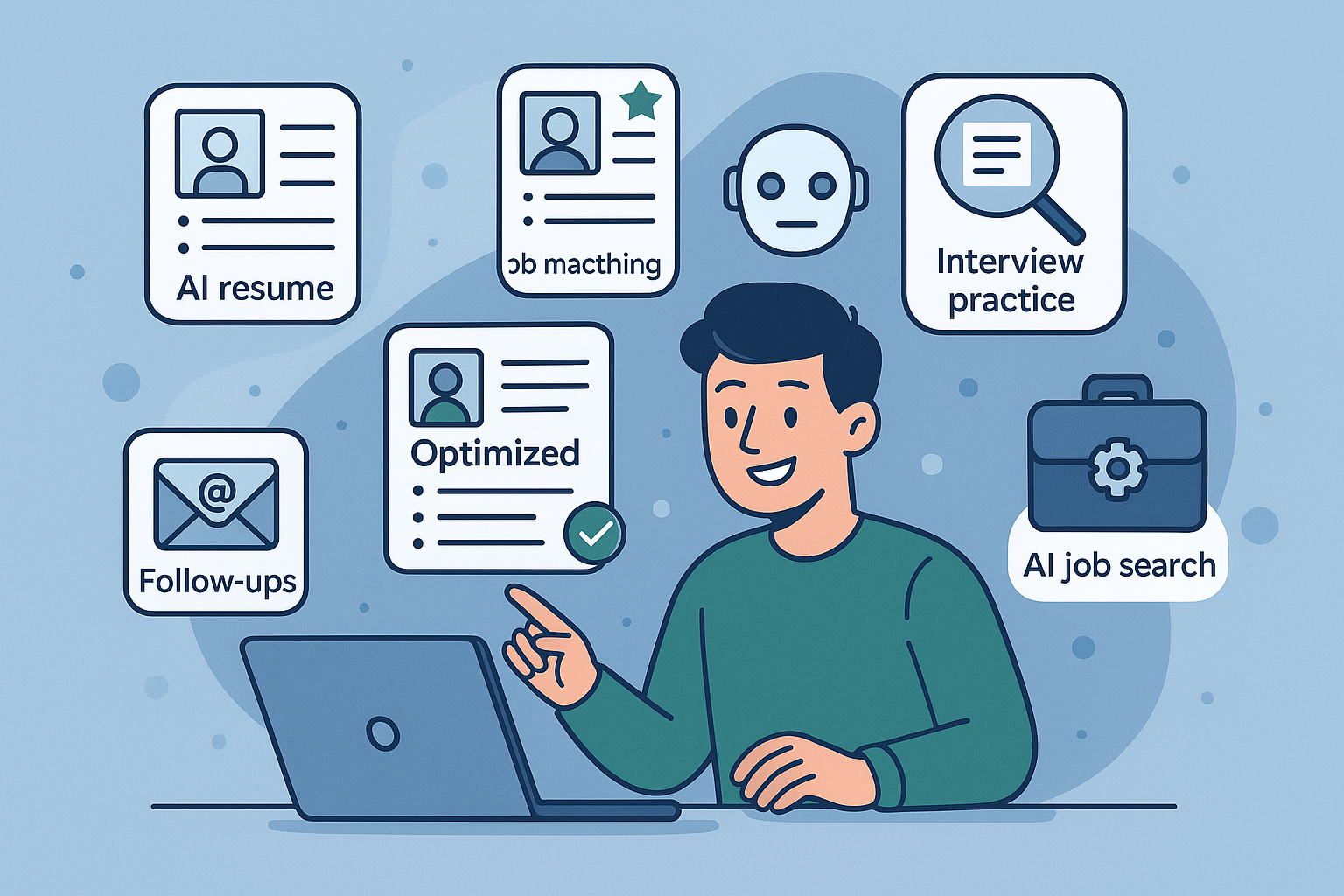 Before applying, use AI to quickly research the company.
Prompt: "Find information about [Company Name]. What do they specialize in? What's their reputation? What should I know before applying?"
AI searches faster than you manually Googling. You get quick background that helps you customize your application and prepare intelligent questions for interviews.
Then verify the information. Check their actual website. Read real reviews on Glassdoor or Indeed. AI gives you a starting point, not the final answer.
Use AI to Translate Skills Into Professional Language
Skilled trades workers often undersell their experience because they don't know how to describe it professionally.
Example:
You might say: "I installed water heaters and fixed leaks."
AI can help translate that into: "Installed residential water heaters ensuring code compliance and proper venting. Diagnosed and repaired plumbing leaks including pipe replacement and fixture repairs."
The difference: Same work, more professional description. Employers understand your capabilities better.
The Golden Rule: AI Assists, You Create
Think of AI as a tool, not a replacement.
AI is good for:
- Improving grammar and professional tone
- Identifying relevant keywords from job postings
- Practicing interview questions
- Researching companies quickly
- Translating your work into professional language
AI is terrible for:
- Writing your entire resume from scratch
- Creating cover letters without your input
- Making up experience or certifications
- Replacing genuine effort and customization
The employer can tell the difference between someone who used AI strategically to improve their application versus someone who lazily copy-pasted AI output.
Get Professional Help Finding Skilled Trades Jobs
Using AI strategically can improve your applications, but the best approach is working with recruiters who understand skilled trades hiring.
At BC Recruits we connect qualified tradespeople with employers actively hiring across the country. We help you present your experience effectively and match you with companies that value your skills.
Need help with your skilled trades job search? Contact us to discuss opportunities in HVAC, plumbing, electrical, welding, and other high-demand trades.
Want to upgrade your skills first? The Blue Collar Recruiter offers training programs in skilled trades that actually lead to employment.
AI is a tool. Use it wisely, not as a crutch. Your real experience, real certifications, and real effort matter more than any ChatGPT prompt.