HVAC Jobs in Houston, TX
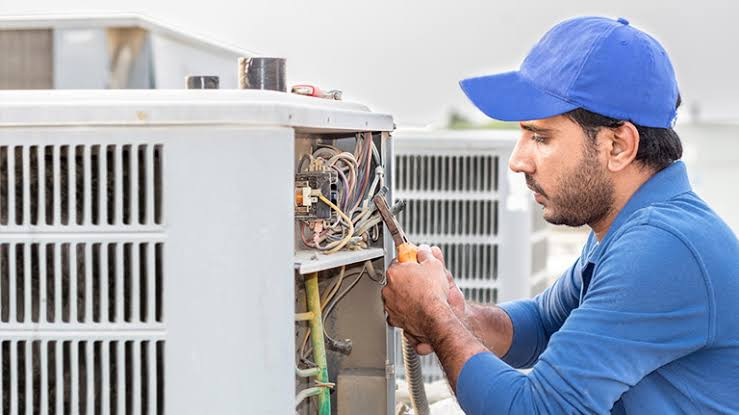
Houston runs its air conditioning harder than almost any city in the country, and that is before counting the Ship Channel's refineries and petrochemical plants, which need HVAC and process cooling technicians on a completely different scale than residential comfort work. Between the climate load, the industrial base and one of the fastest-growing commercial and residential markets in Texas, HVAC hiring in Houston rarely slows down.
Blue Collar Recruits connects HVAC professionals across Houston with employers hiring residential service techs, commercial and industrial crews, and refrigeration specialists. This page covers how Texas licensing works, where the biggest demand sits, and what actually decides a Houston HVAC technician's annual number.
Texas Licenses the Technician, Not Just the Business
Unlike Arizona, Texas requires an individual Air Conditioning and Refrigeration Contractor (ACR) license through the Texas Department of Licensing and Regulation to work independently in HVAC. Technicians typically log verified field experience before sitting the state exam, and most employed technicians work under a licensed contractor while building that experience.
What binds every technician regardless of state: EPA Section 608 certification is required by federal law before opening a sealed refrigerant circuit. Universal certification is worth the extra study time in Houston, since it opens commercial and industrial refrigeration work where the pay ceiling is highest. See our EPA 608 guide for cost, types and how to prepare.
Houston's Industrial HVAC Advantage
Most metros have one HVAC economy: comfort. Houston has two, and the second one pays significantly more.
The Ship Channel and the petrochemical corridor running from Baytown to Texas City need process cooling, industrial refrigeration and large-tonnage chiller technicians who understand mechanical systems most residential techs never touch. This work is a distinct specialty from comfort HVAC and typically requires additional training in industrial controls, but it pays a clear premium over standard residential and light commercial service work.
Comfort HVAC, meanwhile, never really has an off season here. Houston's humidity and heat mean cooling systems run near capacity for most of the year, which keeps residential and commercial service call volume high even outside peak summer.
HVAC Roles Hiring Across Greater Houston
- Residential service technicians running diagnostic and repair calls
- Install technicians and lead installers on changeouts and new construction
- Commercial HVAC technicians on rooftop units, chillers and packaged equipment
- Industrial and process cooling technicians on Ship Channel and petrochemical facilities
- Refrigeration technicians on commercial kitchen, grocery and cold storage systems
- Controls and building automation technicians on commercial properties
- Comfort advisors and HVAC sales professionals
- Service managers and install managers running dispatch, quality and crews
- Apprentices and helpers building hours toward an ACR license
What Actually Moves the Needle on Pay
ACR licensure. Moving from unlicensed helper to a licensed technician who can work independently is typically the single biggest jump in a Houston HVAC career.
Industrial and process cooling exposure. Ship Channel and petrochemical HVAC work pays well above standard residential and commercial rates, and it is where experienced Houston technicians tend to land the highest ceilings.
Overtime during peak. Summer overtime in this market is abundant and often mandatory. Two offers with the same base rate can differ by tens of thousands of dollars a year depending on how overtime is structured. See how much HVAC techs make and how to double your HVAC technician salary for the full breakdown by experience level.
Commission and spiff structure. Many residential companies pay on sold work. Understand the split before accepting, since it can be most of your income or almost none of it depending on the shop.
Certifications. EPA 608 Universal, NATE certification and manufacturer-specific training all re-price a technician. For the full trade comparison, see HVAC vs plumbing vs electrical.
Getting Hired Faster in Houston
- Lead with system types. Package units, split systems, chillers, rooftop units and industrial process cooling. Employers screen on equipment, not adjectives.
- Put EPA 608 at the top of your application, Universal if you have it.
- State your ACR license status clearly, or how many verified field hours you have logged toward it.
- Say how you handle heat and humidity. Attic and rooftop work in Houston summer conditions is a real qualification worth naming.
- Keep a clean driving record. Most Houston service roles include a company vehicle, and the MVR check ends more applications than the technical interview does.
A job seeker profile puts your certifications and license status in front of Houston employers before a posting even goes live.
Where the Work Is Across Greater Houston
Residential service and install runs everywhere population runs, concentrated in the fast-growing suburbs of Katy, Pearland, Cypress, Spring and The Woodlands. Commercial work concentrates downtown, in the Galleria and along the Energy Corridor. Industrial and process cooling work sits along the Ship Channel and the petrochemical corridor toward Baytown and Texas City. Commute distance is a real cost in a metro this large, so ask where a company's service territory actually sits before accepting an offer.
Credentials Worth Stacking
- Texas ACR license, the clearest path to working independently and commanding top rates
- EPA 608 Universal certification, required to touch refrigerant at all
- NATE certification, which several Houston employers pay a differential for
- Industrial controls and process cooling training, the path into Ship Channel and petrochemical work
- OSHA 10 or OSHA 30 for commercial and industrial site access
The Blue Collar Recruiter courses and career path overview lay out the sequence in order of return.
Houston HVAC Jobs: Frequently Asked Questions
Do I need a license to work HVAC in Houston?
Texas requires an individual ACR license to operate independently, issued by the Texas Department of Licensing and Regulation after verified field experience and a state exam. Technicians commonly work under a licensed contractor while building that experience.
How much do HVAC technicians make in Houston?
Pay varies by license status, specialty and overtime structure. Residential service technicians typically sit near the national median, while ACR-licensed technicians with industrial or process cooling experience routinely earn well above it once overtime is included.
What makes Houston different from other HVAC markets?
A second, higher-paying industrial HVAC economy tied to the Ship Channel and petrochemical corridor, on top of near-constant comfort-cooling demand driven by the region's heat and humidity.
Do I need EPA certification?
Yes, federally, for any technician who opens a sealed refrigerant circuit. Universal certification is worth pursuing in Houston since it opens commercial and industrial refrigeration work.
Is HVAC work seasonal in Houston?
Less than in milder climates. Cooling demand stays high most of the year, which keeps service call volume elevated outside of peak summer as well.
Hiring HVAC Technicians in Houston?
Houston's HVAC labor market is stretched by climate-driven comfort demand and a distinct industrial cooling economy competing for the same licensed pool. Employers who staff successfully hire ahead of peak season, pay for EPA 608 and manufacturer training rather than requiring candidates to arrive with it, and make overtime structure explicit in the posting.
Post your Houston HVAC opening to reach technicians already searching inside the trades.
When you need to reach technicians who are working and not looking, the TBCR Hiring System combines headhunting, outreach and candidate qualification to surface people who are not browsing job boards, without traditional placement fees.
EXPLORE THE TBCR HIRING SYSTEM
More for Houston Tradespeople
Electrician Jobs in Houston, TX
How Much Do HVAC Techs Make in 2026?
How to Double Your HVAC Technician Salary
EPA 608 Certification: Cost, Types and Why You Need It
HVAC vs Plumbing vs Electrical: Which Career Is Best?
HVAC Jobs in Dallas-Fort Worth, TX
Start Your Houston HVAC Job Search
Whether you are ACR-licensed and ready for industrial rates, holding EPA 608 and looking for a shop with better overtime structure, or building hours toward your license, Houston is a market that keeps HVAC technicians working year-round.