You've completed your apprenticeship. You've passed the exam. You're a licensed journeyman electrician. Now the question everyone asks: "What will I actually make?"
Here's exactly what journeyman electricians earn in 2026 and what factors push you toward the higher end of the range.
National Average: The Baseline Numbers
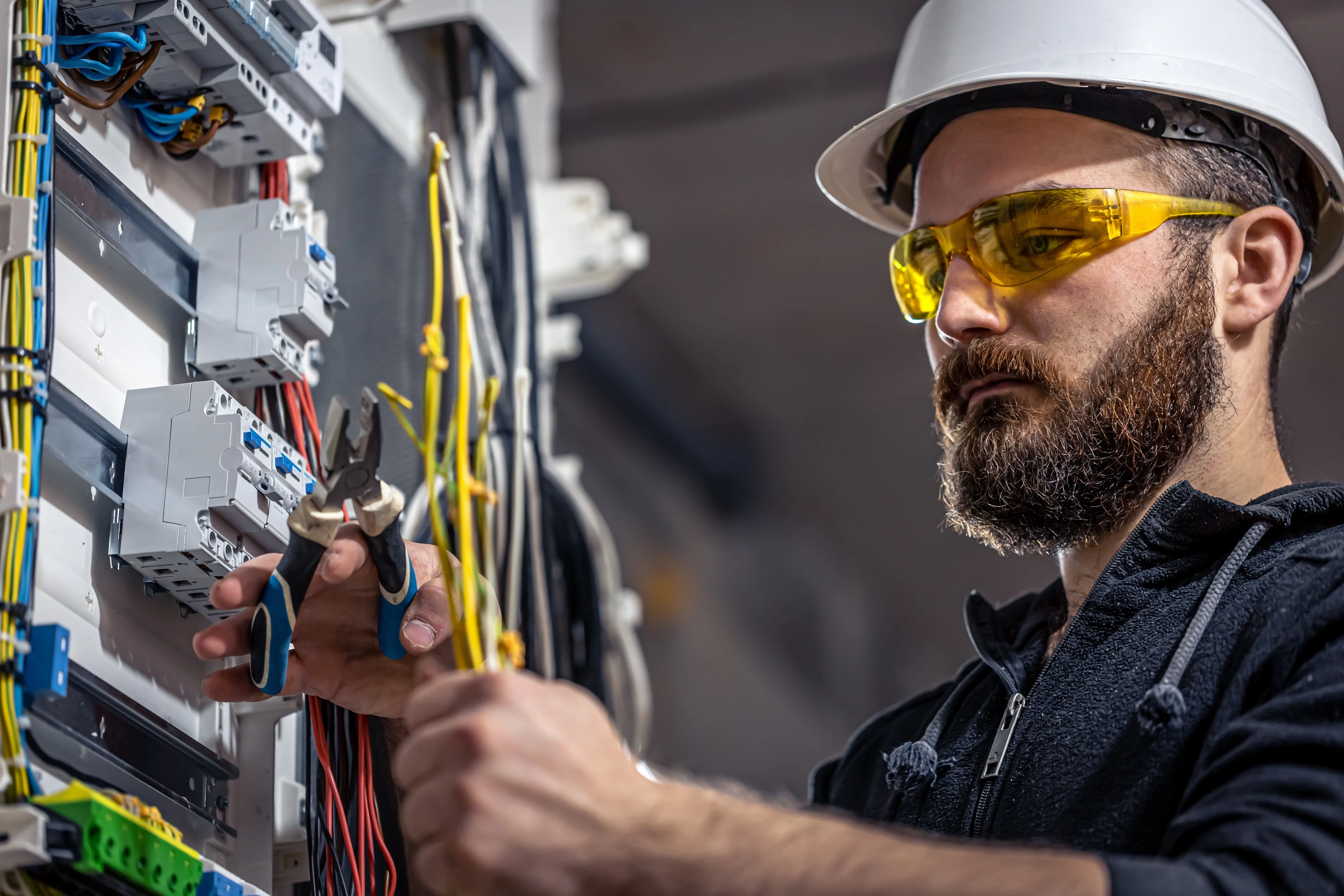
According to the Bureau of Labor Statistics, the median wage for electricians is approximately $60,000-$65,000 annually, or about $29-$31/hour.
But "median" is misleading. That includes residential electricians in low-cost areas and commercial electricians in major metros. It includes first-year journeymen and 20-year veterans. The range is massive.
Realistic journeyman electrician ranges:
Entry-level journeyman (0-2 years licensed): $28-$35/hour ($58,000-$73,000 annually)
Experienced journeyman (3-7 years): $35-$45/hour ($73,000-$94,000 annually)
Senior journeyman/specialist (8+ years): $45-$60/hour ($94,000-$125,000 annually)
These numbers assume standard 40-hour weeks. Overtime, which is common in electrical work, pushes annual earnings significantly higher.
Location Makes a Massive Difference
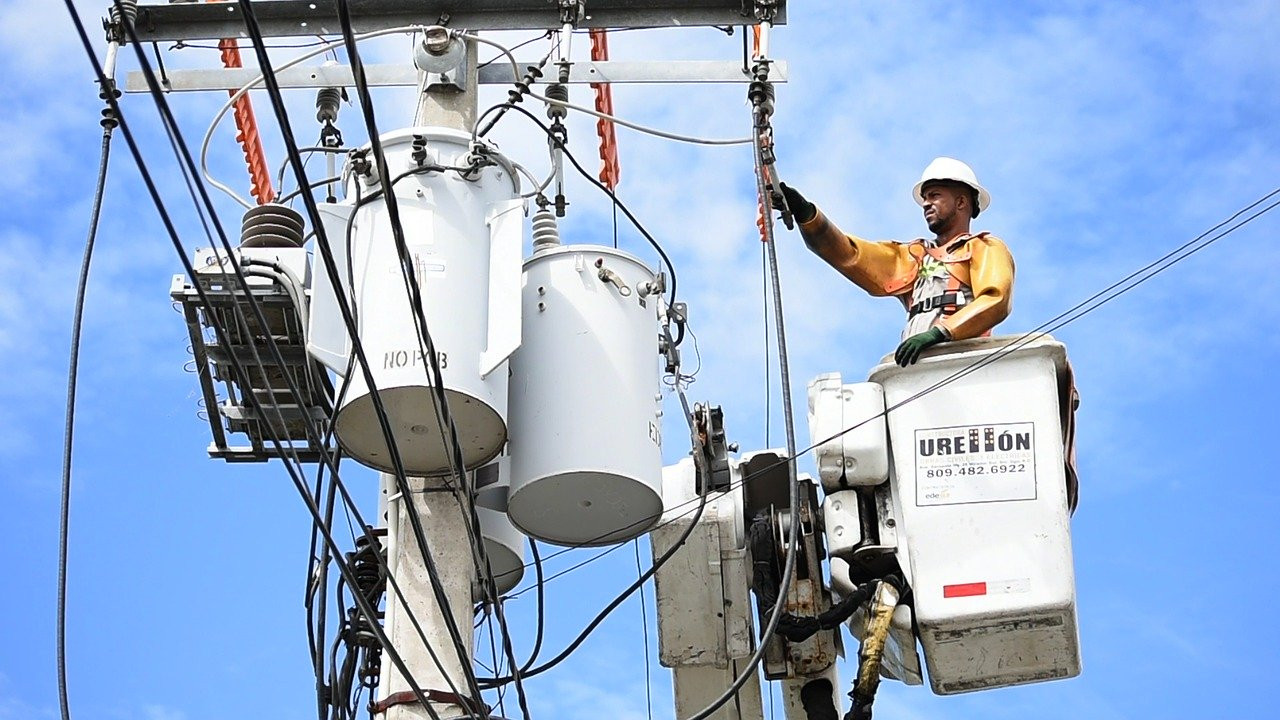
Where you work matters more than almost any other factor.
Highest-paying states for journeyman electricians:
California: $45-$60/hour ($94,000-$125,000 annually). San Francisco Bay Area and Los Angeles command premium rates. Union strength and high cost of living drive wages up.
New York: $42-$55/hour ($87,000-$114,000 annually). New York City electricians easily exceed $100,000 with overtime.
Washington: $40-$52/hour ($83,000-$108,000 annually). Seattle metro area pays top rates.
Illinois: $40-$50/hour ($83,000-$104,000 annually). Chicago union electricians earn premium wages.
Massachusetts: $38-$48/hour ($79,000-$100,000 annually). Boston area offers strong compensation.
Lower-paying states:
Mississippi, Alabama, Arkansas, and other Southern states typically pay $24-$32/hour ($50,000-$67,000 annually). Still solid middle-class income, but 30-40% less than top-paying states.
The takeaway: A journeyman electrician in San Francisco earns nearly double what the same electrician makes in rural Mississippi. Location is everything.
Residential vs Commercial vs Industrial
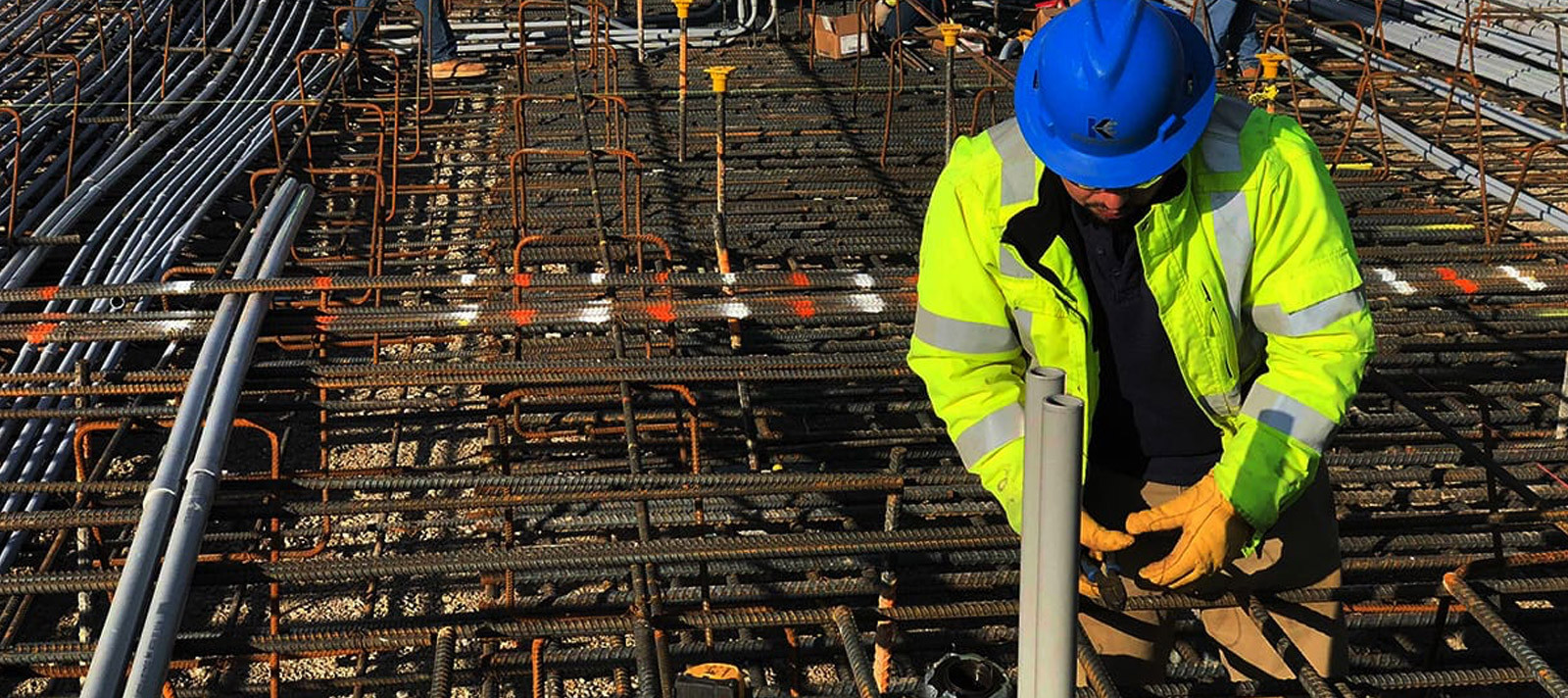
The type of electrical work you do dramatically impacts earnings.
Residential electricians typically earn the least: $28-$38/hour ($58,000-$79,000 annually). Work includes home wiring, service panel upgrades, and troubleshooting. Lower complexity generally means lower pay.
Commercial electricians earn significantly more: $35-$50/hour ($73,000-$104,000 annually). They wire office buildings, retail spaces, restaurants, and commercial facilities. More complex systems, higher voltage work, and bigger projects justify higher rates.
Industrial electricians command premium wages: $40-$60/hour ($83,000-$125,000 annually). They work in manufacturing plants, refineries, data centers, and industrial facilities. High-voltage systems, PLCs (programmable logic controllers), and specialized equipment require advanced skills.
Many journeyman electricians start in residential, move to commercial for better pay, then specialize in industrial for top earnings.
Union vs Non-Union
Union membership significantly impacts compensation.
Union journeyman electricians typically earn 20-30% more than non-union counterparts. IBEW (International Brotherhood of Electrical Workers) negotiates wages, benefits, and working conditions.
Union advantages: Higher hourly wages, excellent health insurance and retirement benefits, apprenticeship training programs, job placement through union halls, and consistent overtime opportunities.
Non-union advantages: More geographic flexibility, potentially faster advancement, and ability to negotiate directly with employers.
Example: A union journeyman electrician in Chicago earns $48-$52/hour with full benefits. A non-union electrician doing similar work earns $38-$42/hour with basic benefits.
The union premium varies by region. In strong union states (California, New York, Illinois), the difference is substantial. In right-to-work states, the gap narrows.
Specializations That Boost Pay
Generic residential electricians earn decent money. Specialists earn significantly more.
High-paying specializations:
Industrial controls and PLCs: $45-$60/hour. Programming and troubleshooting automated systems in manufacturing facilities.
High-voltage/transmission: $50-$65/hour. Working on electrical distribution systems and substations.
Renewable energy (solar/wind): $40-$55/hour. Installing and maintaining solar arrays and wind turbine electrical systems.
Data center electrical: $45-$60/hour. Mission-critical facilities requiring specialized knowledge and 24/7 reliability.
Building automation systems: $42-$55/hour. Smart building controls, energy management, and integrated systems.
Specialization requires additional training and certifications, but the pay increase justifies the investment. A journeyman who completes PLC training can increase earnings by $10-$15/hour immediately.
Electricians are among the fastest-growing skilled trades with strong demand across all specializations.
Overtime and Total Compensation
Hourly rates don't tell the complete story. Overtime is common in electrical work and dramatically increases total earnings.
Standard overtime: Time-and-a-half after 40 hours. A journeyman earning $40/hour makes $60/hour for overtime. Working 50 hours weekly adds $15,600 annually ($60/hour × 10 overtime hours × 52 weeks).
Emergency and on-call work: Double-time or premium rates. Emergency service calls on weekends or holidays often pay $80-$120/hour.
Real example: A commercial journeyman electrician earns $42/hour base ($87,360 annually at 40 hours). They average 5 hours weekly overtime ($63/hour × 5 hours × 52 weeks = $16,380). Total annual earnings: $103,740.
Many journeyman electricians earning "$65,000" on paper actually take home $85,000-$95,000 with consistent overtime.
Benefits Beyond Base Pay
Total compensation includes more than hourly wages.
What good employers provide: Health insurance (worth $8,000-$15,000 annually), 401k matching (3-6% of salary), paid time off (2-3 weeks), tool allowances ($500-$2,000 annually), company vehicle or mileage reimbursement, continuing education and certification costs, and performance bonuses.
Add benefits to base salary for true compensation comparison. A $40/hour job with full benefits beats a $45/hour job with no benefits.
Career Progression and Earning Potential
Journeyman electrician isn't the endpoint. It's the foundation for higher earnings.
Advancement paths:
Foreman/Lead electrician: $50-$65/hour managing crews and coordinating projects.
Project manager: $70,000-$110,000 annually overseeing multiple jobs and client relationships.
Estimator: $65,000-$95,000 annually bidding commercial projects.
Electrical inspector: $55,000-$85,000 annually ensuring code compliance.
Master electrician: $55-$75/hour with ability to pull permits and supervise others.
Business owner: $100,000-$500,000+ annually running your own electrical contracting company.
The best and worst skilled trades analysis shows electricians consistently rank among the top-earning trades with clear advancement opportunities.
Get Hired as a Journeyman Electrician

Knowing what you should earn helps you negotiate better offers and choose the right opportunities.
Ready to find a journeyman electrician position? Contact BC Recruits to discuss opportunities in your area.
Want to increase your earning potential? The Blue Collar Recruiter offers advanced training and specialization programs that boost your market value.
2026 Update: Demand for licensed journeyman electricians remains strong heading into 2026, especially in data center and renewable energy construction. Browse current electrical job openings at Blue Collar Recruits to see live openings in your area.