









Introduction
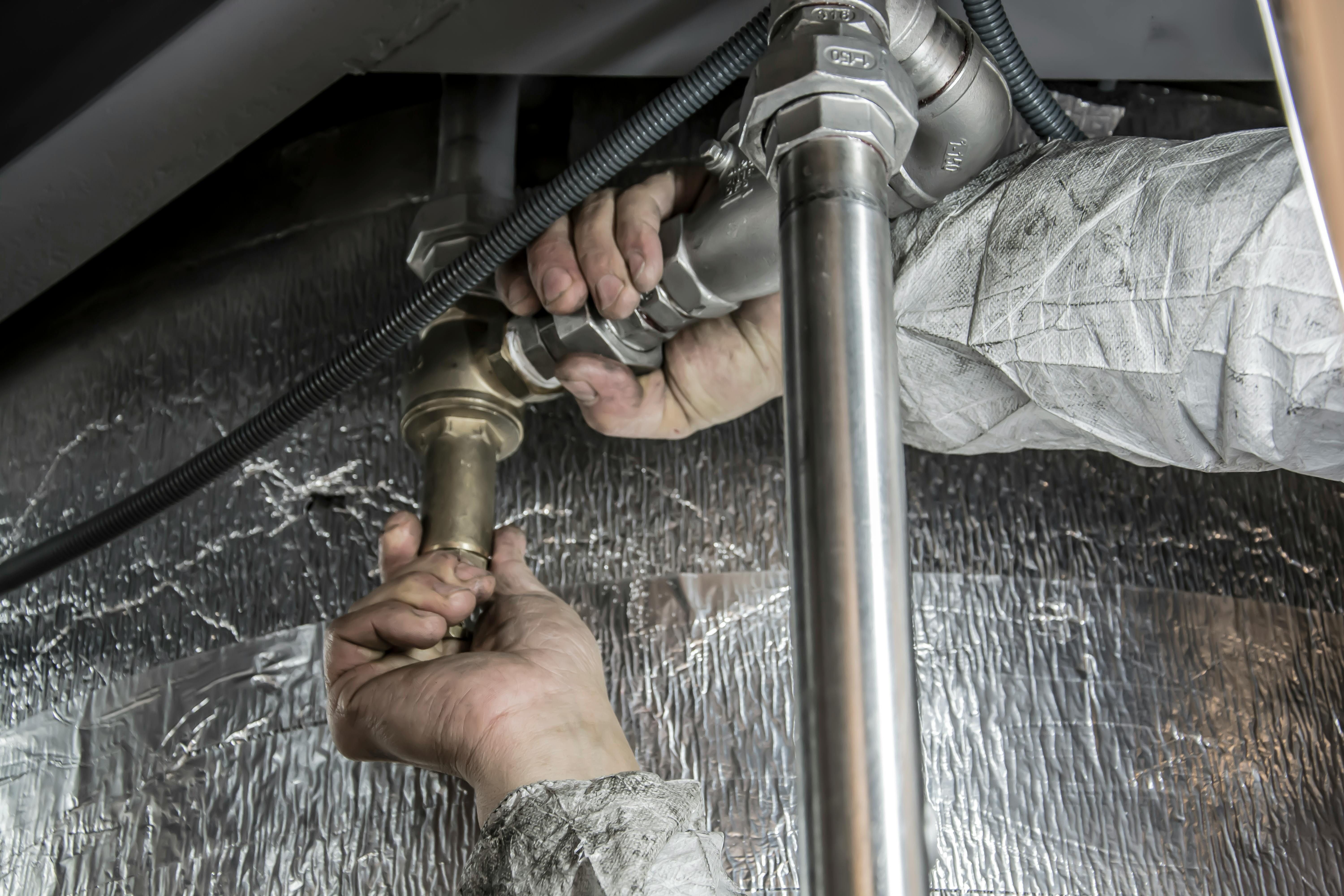
Plumbing jobs provide excellent career stability, strong earning potential, and consistent demand nationwide. Whether you're exploring your first plumbing position or you're a licensed journeyman seeking better opportunities, understanding today's plumbing job market is essential for landing the right role.
The plumbing industry offers diverse career paths ranging from residential service work to industrial pipefitting, with clear advancement opportunities and the ability to build a long-term, recession-proof career.
At BCRecruits, we bridge the gap between skilled plumbing professionals and employers actively hiring plumbers, pipefitters, and service technicians across the country. Our platform is designed specifically for the skilled trades, connecting you with real opportunities from companies that value your expertise and are ready to invest in your future.
What Are Plumbing Jobs?
Plumbing careers span a diverse range of positions within residential, commercial, and industrial settings. Here are the most common plumbing job titles:
Plumber - Install, repair, and maintain water supply lines, drainage systems, and fixtures across all types of properties.
Residential Plumber - Focus on homes, apartments, and small residential properties, handling everything from fixture replacements to water heater installations.
Commercial Plumber - Work on larger-scale projects in office buildings, retail spaces, schools, and multi-story facilities with more complex systems.
Service Plumber - The first responders of plumbing, handling emergency calls, diagnosing problems on-site, and performing immediate repairs.
Pipefitter - Specialize in installing and maintaining high-pressure piping systems in industrial settings, often working with specialized materials and welding.
Plumbing Apprentice - Train under licensed plumbers while earning wages and building toward a journeyman license.
Plumber Helper - Assist with installations and service work while learning the fundamentals of the trade.
Plumbing Foreman - Supervise crews, manage job sites, and coordinate complex projects.
Master Plumber - Hold the highest level of licensing, design systems, pull permits, and oversee major installations.
Types of Plumbing Jobs
Residential Plumbing Jobs
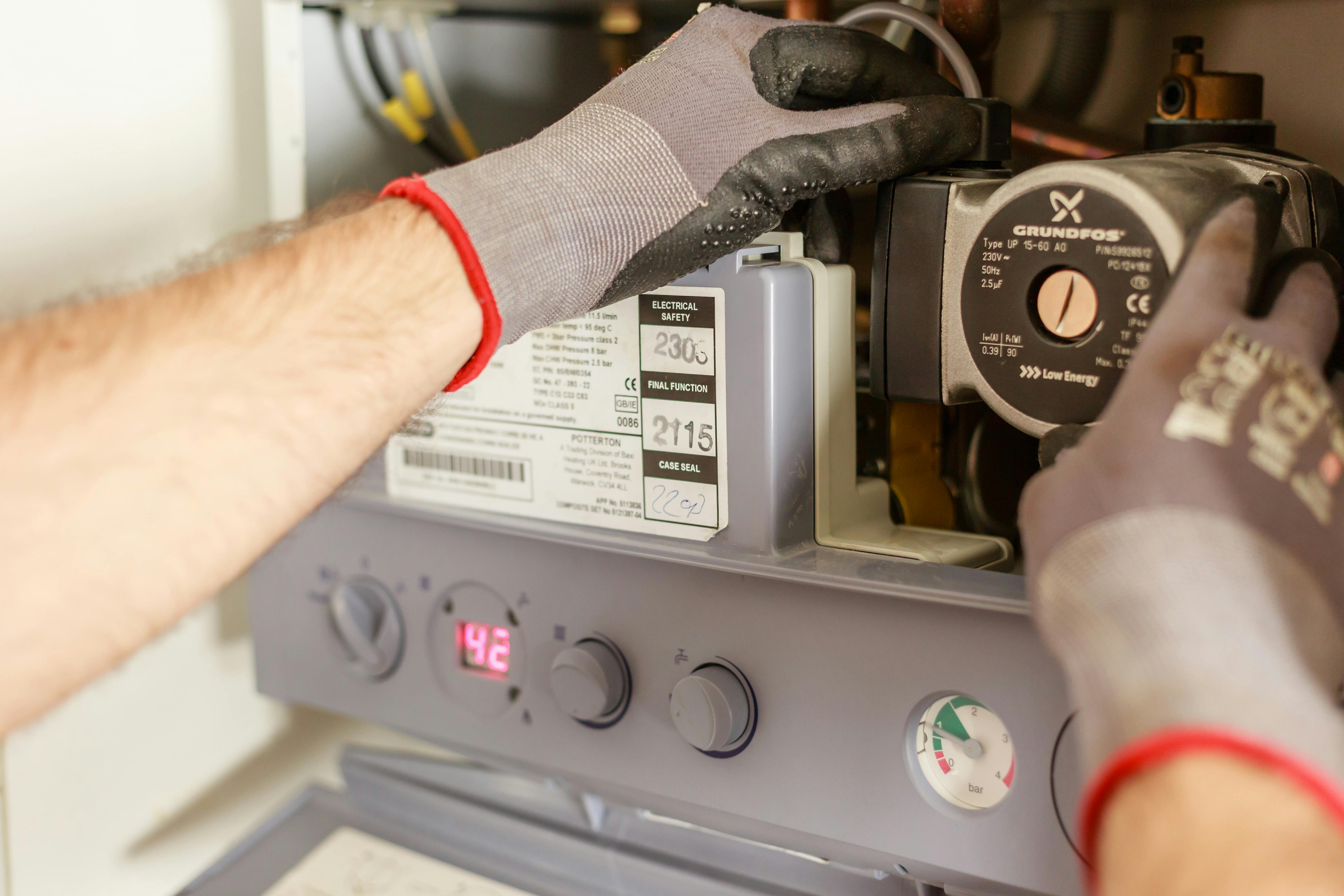
Residential plumbers install and repair systems in homes and apartments—everything from water heaters and toilets to drain lines and fixture replacements.
What the work looks like:
These positions involve direct interaction with homeowners and typically focus on smaller-scale projects with more predictable schedules. Residential plumbers handle service calls throughout the day, diagnosing issues like leaky faucets, clogged drains, running toilets, and water pressure problems. The work varies from simple repairs to complete bathroom or kitchen remodels.
Why choose residential plumbing:
Residential plumbers develop strong customer service skills since they're frequently working directly in people's homes. While residential work may not pay as much as commercial or industrial positions, it offers steady work, manageable hours, and the satisfaction of directly helping families solve their plumbing problems.
Commercial Plumbing Jobs
Commercial plumbers handle larger, more complex systems in businesses, schools, hospitals, restaurants, and multi-story buildings.
What makes it different:
These jobs require advanced knowledge of building codes, blueprint reading, and high-capacity water and drainage systems that serve dozens or hundreds of people simultaneously. Commercial plumbers install and maintain systems that include multiple bathrooms, commercial kitchens, cooling towers, and specialized equipment like grease traps and backflow preventers.
The benefits:
The work is typically more physically demanding and complex than residential plumbing, but it comes with higher pay rates and more consistent year-round employment. Commercial projects tend to be larger and longer-term, and plumbers often work as part of construction crews on new builds or major renovations, collaborating with electricians, HVAC technicians, and general contractors.
Industrial Plumbing Jobs
Industrial plumbers work in manufacturing plants, refineries, power plants, chemical facilities, and other large industrial complexes where they maintain high-pressure systems, process piping, and specialized equipment.
The technical demands:
This type of plumbing requires understanding of industrial-grade materials, welding techniques, and complex piping layouts that may carry water, chemicals, steam, or gases at high pressures and temperatures. Industrial plumbers often need additional certifications in areas like welding, rigging, and confined space entry, and they must be comfortable working in challenging environments with strict safety protocols.
The payoff:
These positions command premium wages—often 20-30% higher than residential or commercial work—and typically offer excellent benefits packages, overtime opportunities, and long-term job security. Industrial plumbing can also include maintenance roles where you're responsible for keeping existing systems running smoothly, preventing breakdowns, and performing scheduled maintenance on critical infrastructure.
Service and Repair Plumbing
Service plumbers specialize in responding to emergency calls, diagnosing plumbing issues quickly, and performing on-the-spot repairs to get systems working again.
What makes it unique:
These positions offer tremendous variety since you might handle a burst pipe in the morning, a water heater replacement in the afternoon, and a sewer line inspection in the evening. Service plumbers need strong diagnostic skills, the ability to think on their feet, and excellent customer communication since they're often explaining problems and solutions to stressed homeowners or business owners.
The advantages:
Service work offers good base pay plus opportunities for tips, overtime, and on-call bonuses. Many service plumbers earn significantly more than their installation counterparts due to emergency call premiums and the ability to upsell additional services. If you enjoy problem-solving, working independently, and helping people in urgent situations, service plumbing can be both financially rewarding and personally satisfying.
Plumbing Job Salaries: What Can You Earn?
Plumbing salaries vary based on experience, location, certifications, and the type of work you perform. According to the U.S. Bureau of Labor Statistics, the median annual wage for plumbers has grown steadily over the past decade due to high demand and limited supply of skilled workers.
Typical hourly rates:
- Plumber Helper: $16-$20 per hour
- Plumbing Apprentice: $20-$25 per hour
- Journeyman Plumber: $28-$40 per hour
- Master Plumber: $40-$55+ per hour
- Plumbing Foreman/Supervisor: $45-$60+ per hour
Beyond the base pay:
Many plumbing jobs include additional compensation like overtime pay (often time-and-a-half or double-time), on-call bonuses for emergency availability, vehicle allowances or company trucks, and comprehensive benefits packages including health insurance, retirement contributions, and paid time off. Experienced plumbers in high-demand markets or specialized fields like medical gas installation can earn six figures annually when overtime and bonuses are factored in.
Required Licenses and Certifications for Plumbing Jobs
Most plumbing positions require specific credentials depending on your experience level and location. Understanding these requirements helps you plan your career path and know what steps to take next.
State Plumbing License
Nearly all states require plumbers to hold a license after completing apprenticeship hours and passing a state exam. License levels typically include:
Apprentice License - Allows you to work under the supervision of a licensed journeyman or master plumber while you accumulate the required training hours.
Journeyman License - Permits independent work on most plumbing systems. Requirements typically include 4-5 years (8,000-10,000 hours) of documented apprenticeship experience plus passing a comprehensive exam covering codes, safety, and technical knowledge.
Master Plumber License - The highest credential level, qualifying you to design plumbing systems, pull permits, supervise other plumbers, and in many states, operate your own plumbing business. Requirements usually include several years as a licensed journeyman plus passing an advanced exam.
Plumbing Apprenticeship Completion
Most plumbers complete 4-5 year apprenticeship programs combining on-the-job training with classroom instruction. These programs, often run through unions like the United Association (UA) or independent contractors, require apprentices to log 8,000+ documented hours working under licensed supervision while attending regular classes covering plumbing theory, codes, safety, and blueprint reading.
Why apprenticeships matter:
Apprenticeships allow you to earn while you learn, gaining real-world experience and building toward licensure without taking on student debt. Many apprenticeship programs also include healthcare benefits, retirement contributions, and guaranteed wage increases as you progress through each year of training.
Specialized Certifications
Additional certifications can significantly boost your earning potential and open doors to specialized work:
Backflow Prevention Certification - Required in most jurisdictions for testing and maintaining backflow prevention devices that protect public water supplies. This certification typically requires a short course and exam, and certified backflow testers can charge premium rates for this specialized service.
Medical Gas Installer Certification - Essential for working on oxygen, nitrous oxide, and other medical gas systems in hospitals and healthcare facilities. This work pays extremely well due to the strict safety requirements and liability involved.
Welding Certifications - Critical for pipefitters and industrial plumbers who work with metal pipe systems. Certifications from organizations like the American Welding Society (AWS) demonstrate proficiency in various welding techniques and materials.
OSHA Safety Training - OSHA 10 or OSHA 30 certifications demonstrate comprehensive safety knowledge and are increasingly required or preferred by employers, especially for commercial and industrial work.
Green Plumber Certification - Specialized training in water conservation, energy-efficient systems, and sustainable plumbing practices, which is valuable as more clients seek eco-friendly solutions.
How to Find Plumbing Jobs
1. Use Specialized Trade Job Boards
General job sites like Indeed and Monster are cluttered with unrelated listings that waste your time. Instead, use platforms like BCRecruits.com that focus exclusively on skilled trades and blue-collar positions.
Why specialized platforms work better:
You'll find plumbing jobs filtered by experience level, location, and specialty—residential, commercial, industrial, or service work. These platforms connect you directly with employers who need plumbers now, not HR departments sorting through hundreds of generic applications. Browse plumbing jobs on BCRecruits to see current opportunities from companies actively hiring.
2. Network Within the Plumbing Industry
Join professional organizations like the Plumbing-Heating-Cooling Contractors Association (PHCC) or local trade unions such as the United Association. These organizations offer networking events, continuing education, and direct connections to employers looking for skilled plumbers.
The power of networking:
Attend industry events, training sessions, and trade shows to meet employers and other plumbers who can refer you to open positions. Many of the best plumbing jobs are never publicly posted—they're filled through word-of-mouth and professional referrals. Building relationships within the industry gives you access to these hidden opportunities.
3. Apply Directly to Plumbing Companies
Research plumbing contractors, service companies, and construction firms in your area. Many companies hire before posting jobs publicly, so reaching out proactively can give you a significant edge.
How to approach direct applications:
Visit company websites, call their offices, or stop by in person to express interest. Have a resume ready that highlights your licenses, certifications, and relevant experience. Even if they're not hiring immediately, getting your name in front of decision-makers means you'll be first in line when a position opens up.
4. Leverage Apprenticeship Programs
Trade schools, community colleges, and union apprenticeship programs often have partnerships with local plumbing companies. Completing an apprenticeship through these programs frequently leads to permanent employment since companies invest time and money training you and want to retain that investment.
Finding apprenticeship opportunities:
Contact your state's Department of Labor apprenticeship office or visit apprenticeship.gov to search for registered programs in your area. These programs provide structured pathways from beginner to licensed professional.
5. Work with Specialized Recruiters
If you're looking for higher-level positions or want personalized support in your job search, consider partnering with recruiters who specialize in skilled trades. The Blue Collar Recruiter connects experienced plumbers with top employers across the country, handling everything from resume optimization to interview preparation.
Plumbing Career Path: How to Advance
Plumbing offers a clear, well-defined progression from entry-level helper to business owner. Here's the typical career ladder:
1. Plumber Helper/Apprentice
Learn the fundamentals while assisting licensed plumbers. This is your entry point into the trade, where you'll learn basic skills like pipe cutting, fixture installation, and tool usage while earning a paycheck.
2. Journeyman Plumber
After completing your apprenticeship and passing your licensing exam, you can work independently on installations and service calls. This is where your earning potential increases significantly and you gain the freedom to take on your own projects.
3. Lead Plumber/Senior Technician
Handle the most complex jobs, mentor apprentices, and manage smaller crews.
Essential Skills for Plumbing Jobs
Technical Skills:
Installing and repairing pipes, fixtures, and appliances - The core of plumbing work, from simple faucet replacements to complex multi-story drainage systems.
Reading blueprints, schematics, and code requirements - Understanding technical drawings and staying current with local, state, and national plumbing codes is essential for legal, safe installations.
Troubleshooting drainage, water pressure, and leak issues - Diagnostic skills separate good plumbers from great ones. The ability to quickly identify problems saves time and builds customer trust.
Understanding building codes and safety regulations - Plumbing work must meet strict codes to protect public health and safety. Knowledge of regulations prevents costly mistakes and legal issues.
Using hand tools, power tools, and diagnostic equipment - From pipe wrenches and tubing cutters to electronic leak detectors and camera inspection systems, plumbers must be proficient with diverse equipment.
Soft Skills:
Strong problem-solving and critical thinking - Every job presents unique challenges. Creative thinking and logical troubleshooting are daily requirements.
Excellent customer service and communication - You're often explaining technical problems to non-technical customers and need to build trust quickly, especially in emergency situations.
Physical stamina and ability to work in tight spaces - Plumbing is physically demanding work that requires crawling under houses, working in attics, lifting heavy equipment, and sometimes working in uncomfortable positions for extended periods.
Time management and reliability - Showing up on time, completing work efficiently, and meeting deadlines builds your reputation and keeps customers happy.
Attention to detail and safety-conscious mindset - Small mistakes in plumbing can lead to major water damage, health hazards, or safety issues. Careful, methodical work prevents problems and builds professional credibility.
Why Choose a Plumbing Career?
Recession-Proof Job Security
Plumbing is essential infrastructure. People always need working toilets, clean water, and functioning drains—regardless of the economy. When times are tough, people might delay kitchen remodels, but they can't delay fixing a burst pipe or a backed-up sewer line.
The data backs this up:
Even during economic downturns, plumbing jobs remain stable because the work is necessity-based, not luxury-based. Skilled plumbers enjoy steady employment year-round, and many can choose between multiple job offers in today's tight labor market.
Strong Earning Potential
Licensed plumbers earn well above the national median wage, with experienced journeymen and master plumbers often bringing home $60,000-$100,000+ annually when overtime and bonuses are included.
Additional income opportunities:
Many plumbers supplement their income with side jobs on evenings and weekends, or they transition into running their own businesses where income potential becomes virtually unlimited. The combination of strong base wages, overtime, and business opportunities makes plumbing one of the best-paying trades careers available.
No College Degree Required
Start your plumbing career through apprenticeships and vocational training instead of accumulating tens of thousands in college debt. You earn while you learn, often making $40,000-$50,000 or more during your apprenticeship years.
The financial advantage:
While your friends who went to college are graduating with $50,000-$100,000 in student loans, you'll already have 4-5 years of paid work experience, a professional license, and zero debt. This head start compounds over your lifetime, often resulting in higher net worth than many white-collar careers.
Hands-On, Meaningful Work
If you prefer solving real problems with your hands over sitting at a desk, plumbing offers daily variety and tangible results. You see the immediate impact of your work—a homeowner's relief when you fix their water heater, a business that can reopen because you repaired their commercial kitchen plumbing.
Job satisfaction matters:
Many plumbers report high job satisfaction because the work is challenging, varied, and allows them to help people solve urgent problems. There's real pride in mastering a skilled trade and being the person others call when they need expert help
Find Plumbing Jobs at BCRecruits
Ready to launch or advance your plumbing career? BCRecruits.com connects skilled plumbing professionals with top employers hiring across the country.
Whether you're seeking residential service work, commercial installations, or industrial pipefitting positions, our job board features opportunities for all experience levels—from helpers and apprentices to experienced journeymen and master plumbers.
What makes BCRecruits different:
Unlike generic job boards cluttered with irrelevant listings, BCRecruits focuses exclusively on skilled trades. You can filter by experience level, license requirements, work type (residential/commercial/industrial), location, and even specific benefits like company vehicles or tool allowances. This targeted approach saves you time and connects you with employers who truly understand and value your skills.
Browse plumbing jobs, create your profile, and apply today.
Industry Resources & External Links
Explore these trusted resources to advance your plumbing career:
Frequently Asked Questions About Plumbing Jobs
How do I become a licensed plumber?
Becoming a licensed plumber typically involves completing a 4–5 year apprenticeship through organizations like the United Association or PHCC, which combines 8,000+ hours of on-the-job training with classroom instruction. After your apprenticeship, you must pass your state's journeyman plumber exam. Requirements vary by state, so check your local licensing board for specific requirements.
How much do plumbers earn?
According to the Bureau of Labor Statistics, plumbers earn a median annual wage of approximately $61,550. Journeyman plumbers typically earn $55,000–$85,000/year, while master plumbers and plumbing contractors can earn $90,000–$130,000+ annually depending on location and specialization.
What is the job outlook for plumbers?
The BLS projects 6% growth for plumbers and pipefitters through 2032, with consistently strong demand driven by new construction, building renovations, aging infrastructure replacement, and water system upgrades. The ongoing shortage of skilled tradespeople means plumbing jobs are in high demand nationwide.
What types of plumbing jobs are most in demand?
Commercial plumbers, industrial pipefitters, and service/repair plumbers are in particularly high demand. Specialty areas like medical gas piping, fire suppression systems, and green plumbing (water conservation systems) are growing fields. Experienced journeyman and master plumbers are consistently sought after due to a nationwide shortage of skilled tradespeople.
What is the difference between a journeyman and master plumber?
A journeyman plumber has completed their apprenticeship and can work independently, but must work under the license of a master plumber or company. A master plumber has additional years of experience (typically 2+ years as a journeyman), has passed a more advanced exam, and can pull permits, supervise others, and run their own plumbing business. Master plumbers earn significantly more and have greater career flexibility.
Do plumbers need special certifications beyond a license?
Beyond a state license, plumbers can benefit from additional certifications in backflow prevention (required in many municipalities), gas line work, medical gas piping (ASSE 6010), and green/sustainable plumbing practices. These specializations increase earning potential and make you more competitive in the job market.
How do I find plumbing jobs near me?
Specialized trade job boards like BC Recruits Plumbing Jobs are an excellent starting point. You can also contact local plumbing contractors directly, connect with your union hall if you're a UA member, or reach out to PHCC chapters in your area for job placement resources.
Frequently Asked Questions for Employers Hiring Plumbers
What is the most effective way to hire licensed plumbers in a competitive market?Licensed journeyman and master plumbers are in short supply in virtually every U.S. market, which means the most effective hiring strategies are proactive rather than reactive. Posting on a trade-specific platform like BC Recruits reaches candidates who are actively seeking plumbing opportunities, rather than filtering through thousands of unrelated applicants on a general board. Responding quickly to applications is equally important since qualified plumbers are typically fielding multiple offers at once.
What should a plumbing job posting include to attract journeyman candidates?Lead with the license level required, the type of work (service, new construction, or commercial), the hourly rate or salary range, and what the company provides such as a truck, tools, and a gas card. Journeyman plumbers with experience have seen enough vague postings to be skeptical of listings that hide compensation or are unclear about the work type. Transparency about project pipeline, overtime availability, and benefits packages separates quality employers from the rest.
How do I verify plumbing license credentials during the hiring process?Most state plumbing boards maintain publicly searchable license databases that allow you to verify licensure status, license type, and expiration date by name or license number. Always verify before extending an offer. For candidates with out-of-state licenses, check whether your state has reciprocity agreements with their licensing jurisdiction, as this affects whether they can work independently right away or will need to apply for an equivalent in-state license.
What is a realistic timeline for filling a journeyman plumber position?In most markets, expect four to six weeks for a standard journeyman hire and potentially eight to twelve weeks for a master plumber or specialized pipefitter role. Tighter timelines are achievable when compensation is above-market and the posting is on a trade-specific platform with active candidates. Partnering with a recruiter like The Blue Collar Recruiter can significantly accelerate the process by tapping into a network of passive candidates who are not actively browsing job boards.
How do benefits and perks influence plumber hiring and retention?Benefits play a significant role, particularly health insurance quality and retirement contributions such as matching 401k programs. Plumbers also place high value on a company vehicle or fuel allowance, tool stipends, and consistent year-round work over seasonal gaps. Companies that invest in continuing education and support apprentices in pursuing journeyman licensure build loyalty and reduce costly turnover. Treating plumbers as professionals with a career path rather than interchangeable labor is the most powerful long-term retention strategy.
Related Resources
Post a plumbing job on BC Recruits to reach qualified candidates actively searching for plumbing opportunities.
Hire skilled plumbers through The Blue Collar Recruiter with personalized recruiting support across all trades.
View construction and skilled trades job listings to explore related opportunities across the blue-collar workforce.
Why Hiring Plumbers Is Hard Right Now
The plumbing workforce is facing a structural gap as experienced journeymen retire and fewer young workers enter apprenticeship programs at the rate needed to replace them. Commercial construction booms, aging municipal infrastructure requiring upgrades, and growing demand for specialized work like medical gas and fire suppression have all widened the supply shortfall. Employers posting on general job boards find that most applicants lack the licensure or hands-on experience required, wasting time and delaying critical hires. A specialized job board like BC Recruits connects you directly with licensed plumbers who are looking for their next opportunity, significantly improving both the speed and quality of your hire.