

Welding Jobs & Careers
BC Recruits connects welders with companies desperate for skilled workers and helps employers find qualified welders who show up, do quality work, and stick around.
Whether you're looking to start a welding career, advance to specialized positions, or hire welders for your company, we make the process faster and more effective than traditional job boards.
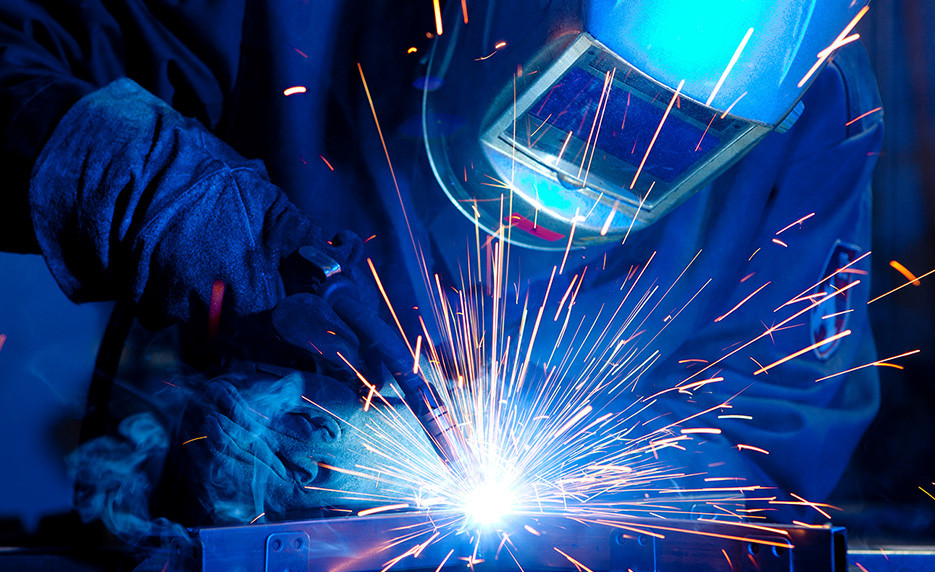
For welders: We connect you with verified employers offering competitive pay, benefits, and career advancement.
For employers: We provide pre-screened, certified welders ready to work, not just resumes from people who might ghost after the first week.
Welding Career Opportunities
Entry-Level Welding Jobs
Starting pay: $16-$22/hour ($35,000-$45,000 annually)
No experience required for many positions, just basic certifications and willingness to learn. Entry-level welders work in manufacturing, fabrication shops, and construction, gaining experience across multiple welding processes.
Experienced Welder Positions
Pay range: $25-$35/hour ($55,000-$75,000 annually)
3-5 years experience with multiple AWS certifications. Work on complex projects requiring precision welding, blueprint reading, and independent problem-solving. Overtime opportunities push annual earnings to $65,000-$85,000+.
Specialized Welding Careers
High-demand specializations paying premium wages:
Pipeline welders travel to remote locations for project work paying $30-$60/hour. With overtime and per diem, annual earnings reach $80,000-$150,000+. Requires 6G pipe welding certification and willingness to travel.
Underwater welders combine commercial diving with welding skills for offshore work. Pay ranges from $50-$100/hour with annual earnings of $100,000-$200,000+. Requires commercial diving certification plus advanced welding certs.
Aerospace welders work on aircraft and spacecraft components requiring extreme precision. Pay ranges from $30-$45/hour ($65,000-$95,000 annually) with excellent benefits and job stability.
Welding inspectors perform quality control and certification testing. Less physical than hands-on welding, these positions pay $60,000-$90,000 annually and require CWI (Certified Welding Inspector) credentials.
Training & Certification Support
BC Recruits partners with The Blue Collar Recruiter to provide welding training resources and career guidance.
Training options we connect you with:
Vocational programs (6-12 months) offering hands-on training in stick, MIG, TIG, and flux-cored welding. Cost ranges from $5,000-$15,000 with job placement assistance.
Apprenticeships combining on-the-job training with classroom instruction. Earn $15-$20/hour while learning over 3-4 years. Zero cost to you. Employers pay for your training.
Virtual welding fundamentals through online courses and VR simulators. Learn welding theory, safety, and blueprint reading before hands-on certification testing.
Certifications that increase your earning potential:
AWS Certified Welder (CW) for specific processes and positions. Required by most employers for entry-level positions.
6G certification for all-position pipe welding. Essential for pipeline work and high-paying traveling positions.
Certified Welding Inspector (CWI) for quality control and supervisory roles. Requires experience plus passing rigorous examination.
Specialized certifications in underwater welding, aerospace welding, or structural welding open doors to premium-paying positions.
For Employers: Hire Qualified Welders
Finding reliable welders is harder than ever. BC Recruits solves your hiring challenges by connecting you with pre-screened candidates who have verified certifications and solid work histories.
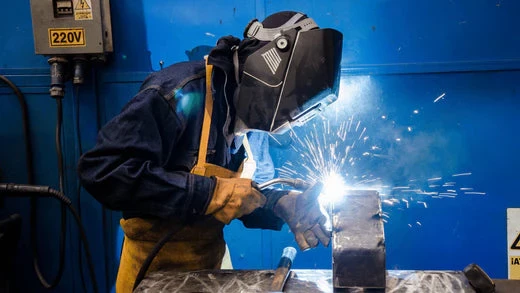
What makes our welder recruitment different:
We verify certifications before presenting candidates. No wasted time interviewing people claiming certifications they don't have.
We pre-screen for reliability indicators like consistent work history, clean background, reliable transportation, and willingness to pass drug tests.
We understand welding specializations. Whether you need structural welders for construction, certified pipe welders for industrial work, or precision TIG welders for fabrication, we source candidates with the right skills.
Common welding positions we fill:
Manufacturing welders for production environments requiring MIG or robotic welding operation. Maintenance welders for facilities needing repair and modification work. Structural welders for construction and infrastructure projects. Pipe welders for industrial facilities, refineries, and pipeline work. Fabrication welders for custom metalwork and specialty manufacturing.
Industries we serve:
Construction and infrastructure, manufacturing and production, oil and gas, aerospace and defense, shipbuilding and marine, automotive and transportation, agriculture and heavy equipment.
Why Companies Choose BC Recruits for Welding Hires
Faster hiring timelines. We maintain relationships with active job seekers and passive candidates, reducing your time-to-hire from months to weeks.
Better candidate quality. Pre-screened welders with verified certifications, not just anyone who checked a box on a resume.
Lower turnover. We match candidates to company culture and work environments, not just technical requirements. Better fits mean people stick around.
Industry expertise. We understand welding: the different processes, certification requirements, and what separates good welders from great ones.
Ongoing support. If a placement doesn't work out in the first 90 days, we find you another candidate at no additional cost.
Current Welding Job Market
The welding industry faces a critical shortage of skilled workers. According to the American Welding Society, the U.S. needs approximately 375,000 welders by 2026 to meet demand. More than half of current welders are over 45 and approaching retirement, creating massive opportunities for younger workers entering the field.
What this means for job seekers: If you can weld and show up on time, you'll have work. Companies are competing for qualified welders by offering higher wages, signing bonuses, and better benefits.
What this means for employers: The competition for talent is fierce. Posting on Indeed and hoping qualified welders apply won't cut it. You need active recruitment strategies and connections to trained workers.
Geographic Coverage
BC Recruits places welders nationwide, with particularly strong networks in:
Manufacturing hubs across the Midwest and Southeast. Oil and gas regions in Texas, Louisiana, and North Dakota. Shipbuilding centers along Gulf Coast and East Coast. Construction markets in growing Sun Belt cities. Aerospace clusters in California, Washington, Texas, and Florida.
Whether you're hiring locally or need traveling welders for project work, we connect you with qualified candidates.
Get Started Today
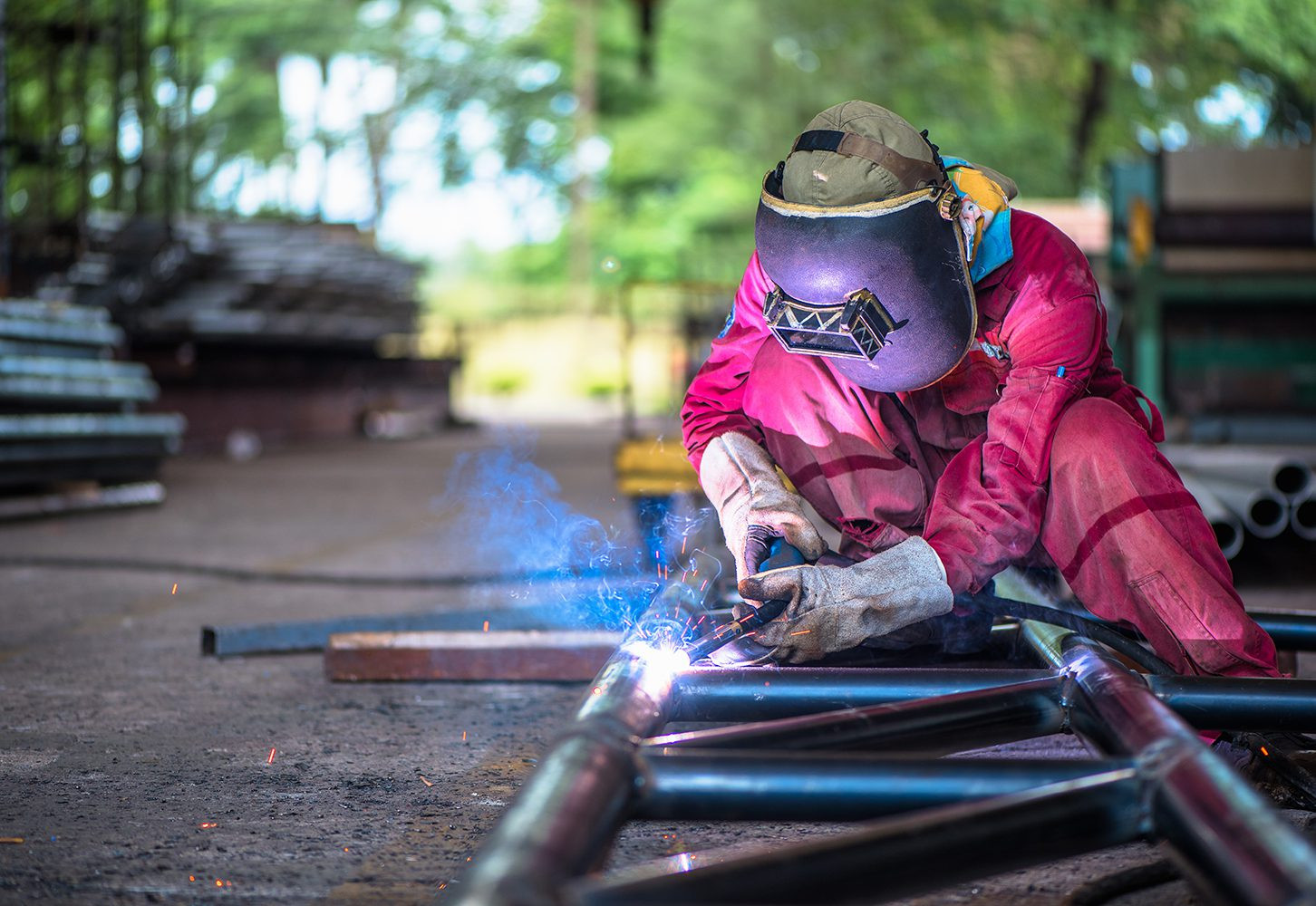
Welders looking for opportunities:
Contact BC Recruits to discuss current openings matching your skill level and certifications. We'll connect you with employers offering competitive pay and career growth.
Exploring welding as a career?
The Blue Collar Recruiter offers resources and guidance on welding training programs, certifications, and career paths.
Industry Resources & External Links
These authoritative resources can help you build and advance your welding career:
Frequently Asked Questions About Welding Jobs
What types of welding jobs are available?
Welding careers span a wide range of industries and specializations. Common welding positions include structural welders (construction and bridges), pipe welders (oil & gas, utilities), MIG/TIG welders (manufacturing and fabrication), underwater welders (offshore and marine), aerospace welders, and welding inspectors/quality control specialists. Each specialty requires different certifications and commands different pay rates.
How much do welders earn?
According to the Bureau of Labor Statistics, welders earn a median annual wage of approximately $47,540. However, specialized welders — particularly pipe welders, structural welders, and those with AWS certifications — can earn $60,000–$100,000+. Underwater welders and those working in hazardous or remote environments often earn the highest wages in the field.
What certifications do welders need?
While entry-level welding jobs may not require formal certification, the AWS Certified Welder credential is the industry standard and significantly increases earning potential and job opportunities. Many employers — especially in construction, oil & gas, and aerospace — require AWS or ASME (American Society of Mechanical Engineers) certifications for specific welding positions. NCCER welding credentials are also widely respected.
What is the job outlook for welders?
The BLS projects steady demand for welders, with the industry experiencing a significant shortage of qualified workers. The American Welding Society estimates that hundreds of thousands of welding positions will need to be filled in the coming years due to retirements and growing demand from manufacturing, infrastructure, and energy sectors.
What are the most in-demand welding specializations?
Currently, the highest demand exists for certified pipe welders (especially in oil & gas and utilities), structural welders for construction and infrastructure projects, TIG welders for precision manufacturing and aerospace work, and welding inspectors with AWS CWI (Certified Welding Inspector) credentials. Welders with experience in specialized processes like flux-core, submerged arc, or laser welding are also highly sought after.
How do I become a certified welder?
To earn an AWS Certified Welder credential, you must pass a performance qualification test administered by an AWS-accredited testing facility. The test evaluates your ability to produce sound welds in specific processes (MIG, TIG, Stick, etc.) and positions. Most welders prepare through vocational training, community college programs, or employer-sponsored apprenticeships before attempting certification.
How do I find welding jobs near me?
Specialized job boards like BC Recruits Welding Jobs connect certified welders with employers actively hiring in construction, manufacturing, and industrial sectors. You can also find opportunities through the AWS job board, direct outreach to fabrication shops and manufacturing plants, and local union halls if you are affiliated with the Boilermakers or UA.
Frequently Asked Questions for Employers Hiring Welders
What welding certifications should I require when posting a job, and which should I list as preferred?Certified Weld Inspector credentials from the American Welding Society and process-specific certifications such as D1.1 structural, D1.2 aluminum, and pipe welding qualifications are common hard requirements for structural and pipe welding roles. For general fabrication and production welding, listing process experience with MIG, TIG, and flux-core as preferred rather than required can widen your pool without compromising quality. Always specify the materials and positions involved in the role so candidates can accurately self-assess their fit.
How do I evaluate a welder's actual skill level during hiring?The most reliable method is a weld test performed in your shop on the materials and in the positions your work demands. Resumes and certifications tell part of the story, but a hands-on test quickly reveals actual technique, travel speed, bead consistency, and how a candidate handles unfamiliar settings. If a weld test is not practical for early-stage screening, a detailed phone screen asking about specific processes, base metals, and joint configurations they have worked with gives you a meaningful signal before investing time in an on-site visit.
What wage range is competitive for certified welders in today's market?Certified pipe welders and structural welders in most U.S. markets command $28 to $50 per hour depending on specialty, certification level, and whether the work is union or non-union. TIG welders working on stainless or exotic alloys in aerospace or pharmaceutical applications often earn toward the top of that range or above it. Posting a competitive and specific pay range rather than simply writing competitive pay is one of the fastest ways to improve your applicant quality since skilled welders know their market value and will pass over vague listings.
How do I retain certified welders once I hire them?Certified welders with in-demand process skills have leverage in the current market and will leave for better pay or conditions if they feel undervalued. Beyond competitive wages, retention is driven by equipment quality, the variety and complexity of work, a safe and organized shop environment, and whether management respects their expertise. Giving skilled welders ownership over quality decisions, investing in their continued certification maintenance, and acknowledging strong work are lower-cost retention tools that have an outsized impact on how long they stay.
Should I hire for specific certifications or invest in training promising welders internally?A combination approach is most effective. Hiring certified welders fills immediate production needs and reduces ramp time, but building an internal training and certification pipeline from your best helpers and entry-level welders gives you a long-term workforce advantage. AWS-approved welder qualification programs and community college welding courses are accessible and cost-effective ways to develop internal talent. Companies that grow their own welders build stronger loyalty and reduce their dependence on an external market where certified welders are increasingly hard to find.
Related Resources
Post a welding job on BC Recruits to reach qualified candidates actively searching for welding opportunities.
Find certified welders through The Blue Collar Recruiter with personalized recruiting support across all trades.
Browse skilled trades and construction job openings to explore related opportunities across the blue-collar workforce.
Why Hiring Welders Is Hard Right Now
Welding is one of the most technically demanding skilled trades, and the pipeline of certified welders has been shrinking for years as experienced workers retire and vocational enrollment has not kept pace with industrial demand. Manufacturing reshoring, infrastructure construction, and energy sector growth have all dramatically increased the need for certified structural, pipe, and specialty welders at the same time that the qualified workforce is contracting. Employers who post on general job boards frequently receive applications from entry-level candidates without the process certifications required, creating wasted screening time and delayed project starts. A specialized platform like BC Recruits puts your welding job postings in front of tradespeople with actual certifications and hands-on experience, giving you a materially better starting point than a generalist approach to recruitment.