



Warehouse Jobs: Forklift Operators, Material Handlers & More
Warehouse jobs offer steady employment, competitive pay, and clear career progression without requiring college degrees. Whether you're looking to operate forklifts, manage inventory, pick and pack orders, or supervise warehouse operations, these positions provide immediate earning potential and opportunities for advancement.
At BC Recruits, we connect warehouse workers with employers hiring for distribution centers, fulfillment centers, manufacturing facilities, and logistics operations nationwide.

What Are Warehouse Jobs?
Warehouse jobs involve receiving, storing, organizing, and shipping products and materials. These positions are essential to supply chains across every industry from retail and e-commerce to manufacturing and food distribution.
Common warehouse job titles:
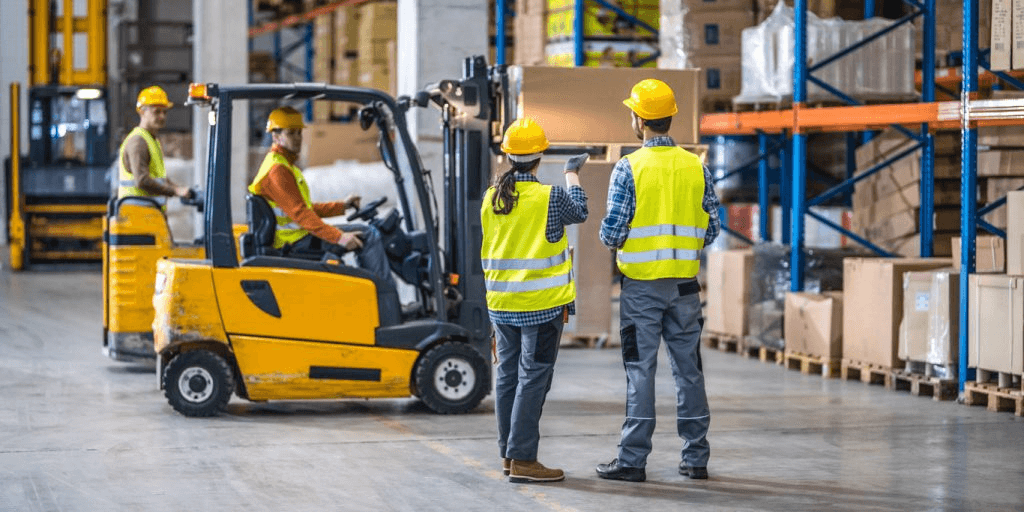
Forklift Operators - Operate forklifts, pallet jacks, and other material handling equipment to move products throughout warehouses and load/unload trucks.
Material Handlers - Move, organize, and track inventory. Load and unload trucks. Prepare orders for shipment. Maintain warehouse organization.
Pickers and Packers - Locate products in warehouse locations, pick items for orders, pack shipments securely, and prepare packages for shipping.
Shipping and Receiving Clerks - Process incoming shipments, verify quantities and condition, update inventory systems, and prepare outbound shipments with proper documentation.
Inventory Specialists - Track inventory levels, conduct cycle counts, investigate discrepancies, and maintain accurate inventory records in warehouse management systems.
Warehouse Supervisors - Oversee warehouse staff, manage daily operations, ensure safety compliance, coordinate schedules, and optimize warehouse efficiency.
Warehouse Managers - Direct overall warehouse operations including staffing, budgets, processes, safety programs, and performance metrics.
Types of Warehouse Environments
E-commerce Fulfillment Centers
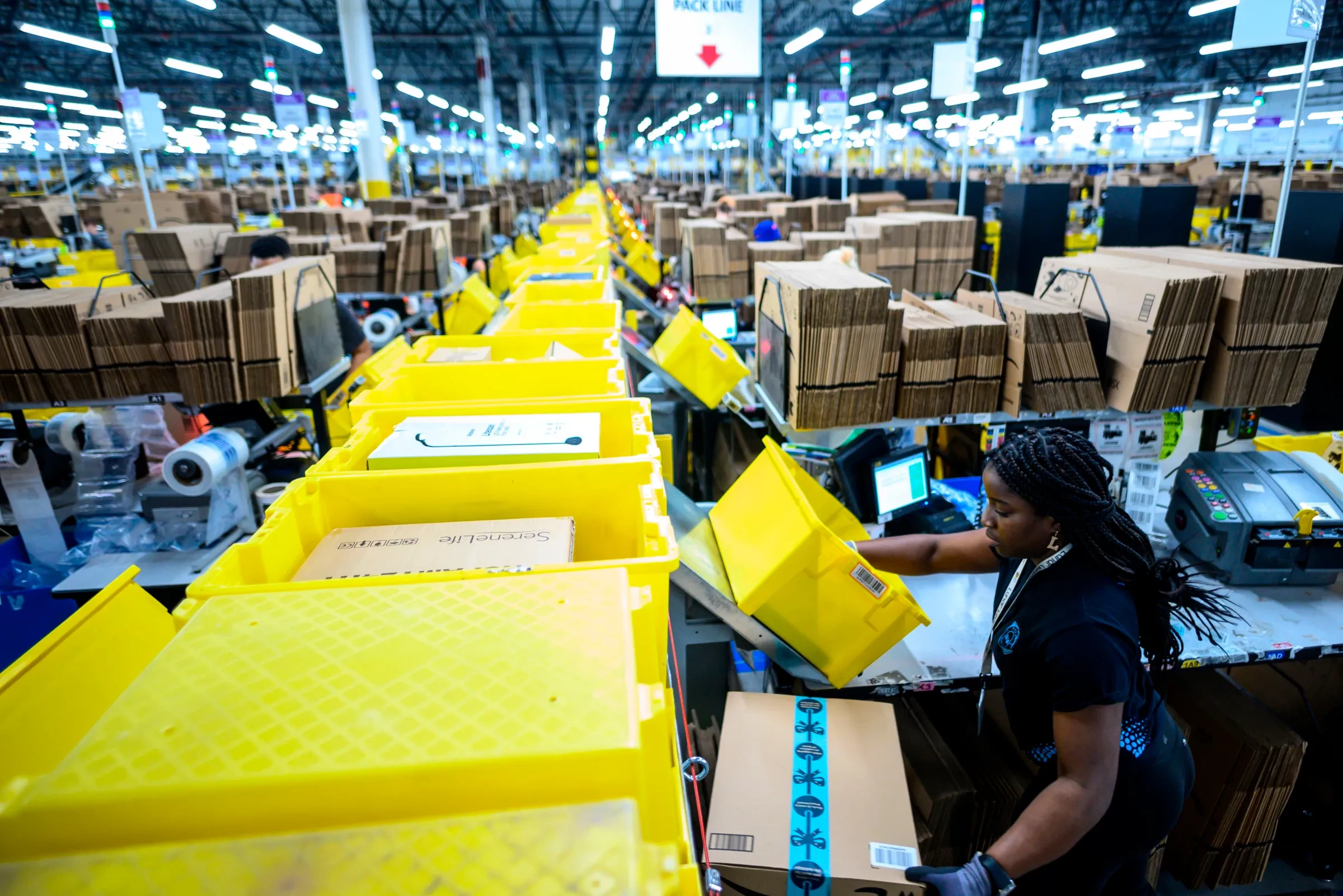
Large facilities processing online orders for retailers like Amazon, Walmart, Target, and thousands of smaller e-commerce businesses. High-volume operations with advanced automation and technology. Fast-paced environment with productivity metrics and performance tracking.
Distribution Centers
Regional hubs receiving products from manufacturers and distributing to retail stores or other facilities. Focus on efficient receiving, storage, and outbound shipping. Typically handle larger quantities and pallet-level movements rather than individual items.
Manufacturing Warehouses
Facilities storing raw materials, work-in-progress inventory, and finished goods for manufacturing operations. Warehouse workers support production lines by ensuring materials are available when needed and finished products are stored and shipped efficiently.
Cold Storage Warehouses
Temperature-controlled facilities storing food, pharmaceuticals, and other products requiring refrigeration or freezing. Workers operate in cold environments requiring specialized equipment and clothing. Positions typically pay premium wages due to working conditions.
Third-Party Logistics (3PL) Warehouses
Facilities providing warehousing and logistics services for multiple client companies. Exposure to diverse products and processes. Workers often handle different types of inventory and shipping requirements.
Warehouse Job Salaries
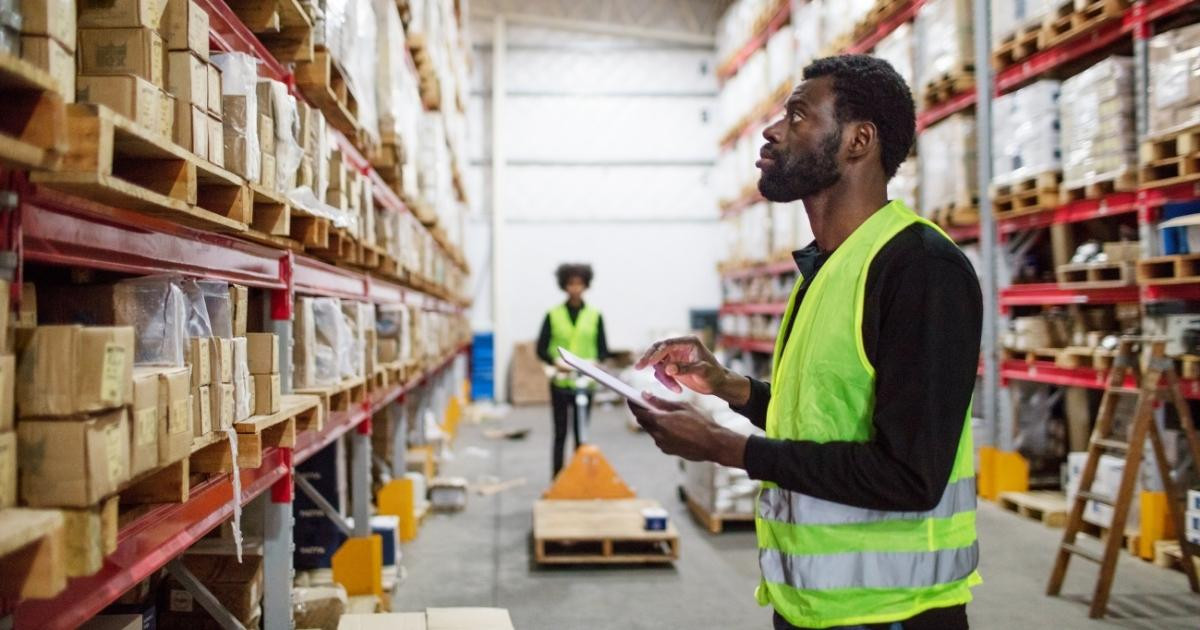
Pay varies based on position, experience, location, and shift. Many warehouse jobs offer shift differentials for evenings, nights, and weekends.
Entry-Level Positions:
Warehouse Associates/General Laborers: $15-$18/hour ($31,000-$37,000 annually)
Pickers and Packers: $15-$19/hour ($31,000-$40,000 annually)
Skilled Positions:
Forklift Operators: $17-$24/hour ($35,000-$50,000 annually)
Material Handlers: $16-$22/hour ($33,000-$46,000 annually)
Shipping/Receiving Clerks: $17-$23/hour ($35,000-$48,000 annually)
Inventory Specialists: $18-$26/hour ($37,000-$54,000 annually)
Supervisory and Management:
Warehouse Supervisors: $22-$32/hour ($46,000-$67,000 annually)
Warehouse Managers: $55,000-$85,000 annually
Operations Managers: $70,000-$110,000 annually
Many warehouse positions offer overtime opportunities. Working 45-50 hour weeks with time-and-a-half pay significantly increases annual earnings. Night shift and weekend differentials add $1-$3/hour premium pay.
Required Skills and Certifications
Forklift Certification:
Operating forklifts requires certification. Most employers provide free training and certification for new hires. Certification typically takes 1-2 days and includes classroom instruction, hands-on training, and evaluation.
Physical Requirements:
Warehouse work requires physical capability. Expect to lift 25-50 pounds regularly, stand and walk for entire shifts, bend and reach repeatedly, and work in varying temperatures.
Attention to Detail:
Accuracy matters in warehouses. Picking wrong items, shipping to wrong addresses, or inventory errors cost companies money. Careful, detail-oriented workers advance faster.
Technology Skills:
Modern warehouses use handheld scanners, warehouse management systems (WMS), and inventory software. Basic computer skills and ability to learn technology quickly are increasingly important.
Safety Knowledge:
OSHA safety training is often required or provided. Understanding proper lifting techniques, equipment operation safety, and hazard awareness protects workers and reduces accidents.
Warehouse Career Progression
Entry to Management Track:
Start as warehouse associate or picker → Advance to forklift operator or inventory specialist → Move to lead or team supervisor → Progress to warehouse supervisor → Become warehouse manager → Senior operations management
This progression typically takes 5-10 years depending on performance, facility size, and opportunities.
Specialization Track:
Some workers specialize rather than moving into management. Senior forklift operators, inventory control specialists, and shipping coordinators earn strong wages while maintaining hands-on roles.
Shift Options and Schedule Flexibility
Warehouses operate extended hours or 24/7 depending on business needs.
First Shift (Day): Typically 6 AM - 3 PM or 7 AM - 4 PM. Most common shift with standard pay rates.
Second Shift (Evening): Usually 2 PM - 11 PM or 3 PM - 12 AM. Often includes $1-$2/hour shift differential.
Third Shift (Night): Typically 10 PM - 7 AM or 11 PM - 8 AM. Highest shift differential, often $2-$3/hour premium.
Weekend Shifts: Many warehouses offer Friday-Monday or Saturday-Tuesday schedules with weekend premium pay.
Part-time and flexible scheduling options exist at many facilities, making warehouse work accessible for students, parents, or people working multiple jobs.
Benefits Beyond Base Pay
Many warehouse employers offer:
Health insurance (medical, dental, vision)
401(k) retirement plans with employer matching
Paid time off and holidays
Tuition reimbursement or education assistance
Employee assistance programs
On-the-job training and skill development
Free or discounted products
Referral bonuses for bringing in new hires
Career advancement opportunities
Industries Hiring Warehouse Workers
Retail and E-commerce: Amazon, Walmart, Target, Home Depot, Wayfair, Chewy, and thousands of online retailers.
Logistics and 3PL: FedEx, UPS, DHL, XPO Logistics, C.H. Robinson, and regional logistics providers.
Manufacturing: Automotive, electronics, consumer goods, and industrial manufacturing facilities.
Food and Beverage: Grocery distributors, food manufacturers, beverage companies, and cold storage operations.
Pharmaceutical and Medical: Healthcare distribution, pharmaceutical warehousing, and medical device storage.
Warehouse Job Market Outlook
E-commerce growth drives warehouse employment. Online shopping continues increasing, requiring more fulfillment centers and distribution facilities.
According to the Bureau of Labor Statistics, material moving occupations are projected to grow steadily through 2030. Automation will change some warehouse roles but also create new positions maintaining and working alongside automated systems.
Warehouse workers with forklift certifications, inventory management skills, and technology proficiency will see strongest demand and highest wages.
Find Warehouse Jobs at BC Recruits
Ready to start or advance your warehouse career? BC Recruits connects warehouse workers with employers hiring for distribution centers, fulfillment operations, and logistics facilities across the country.
Contact BC Recruits to discuss warehouse opportunities in your area.
Explore blue collar career opportunities and learn about growing industries hiring now.
Browse warehouse jobs, create your profile, and apply today.
Industry Resources & External Links
Stay informed and advance your warehouse career with these trusted industry resources:
Frequently Asked Questions About Warehouse Jobs
What types of jobs are available in warehouses?
Warehouse operations encompass a wide range of roles including forklift operators, material handlers, order pickers/packers, shipping and receiving clerks, inventory control specialists, warehouse supervisors, and logistics coordinators. Many large distribution centers also hire warehouse associates for specialized functions like quality control, hazmat handling, and cold storage operations.
Do I need experience to get a warehouse job?
Many entry-level warehouse positions — such as material handler, order picker, or shipping/receiving associate — require little to no prior experience. Employers often provide on-the-job training. However, roles like forklift operator typically require either prior experience or a forklift certification, and supervisory positions require demonstrated leadership experience in warehouse or logistics settings.
How much do warehouse workers earn?
According to the Bureau of Labor Statistics, warehouse and distribution workers earn median wages ranging from approximately $35,000–$50,000 annually. Forklift operators typically earn $38,000–$55,000, while experienced warehouse supervisors and logistics managers can earn $60,000–$90,000+ per year.
Do I need a forklift license to operate a forklift?
Yes. Per OSHA regulations, all forklift operators must be trained and certified before operating powered industrial trucks. Certification is typically provided by employers through an in-house training program, but having prior certification from a previous employer or a vocational program makes you a more competitive candidate.
What is the job outlook for warehouse workers?
The warehouse and logistics sector continues to grow, driven by the expansion of e-commerce, last-mile delivery operations, and domestic manufacturing. The BLS projects steady demand for warehouse workers, with particularly strong hiring activity in large distribution centers operated by logistics companies, e-commerce retailers, and third-party logistics (3PL) providers.
What skills are most valuable in warehouse jobs?
The most valued skills in warehouse environments include forklift operation, inventory management software proficiency (WMS systems), attention to detail for order accuracy, physical stamina, teamwork, and safety awareness. For advancement into supervisory roles, leadership, scheduling, and workforce management skills become increasingly important.
How do I find warehouse jobs near me?
Specialized job boards like BC Recruits Warehouse Jobs focus specifically on blue-collar and industrial positions, making them ideal for finding warehouse openings matched to your skills and location. You can also apply directly to distribution centers, contact local staffing agencies that specialize in warehouse placements, or check with local logistics companies and 3PL providers.
Frequently Asked Questions for Employers Hiring Warehouse Workers
How do I reduce turnover in warehouse and distribution roles?Warehouse turnover is among the highest of any industry, and the root causes are usually predictable: inconsistent scheduling, physically demanding conditions without adequate compensation, and limited visibility into advancement. Companies that offer regular schedules, competitive starting wages above the local market, and clear pathways to lead and supervisor roles consistently outperform industry turnover averages. Communicating expectations clearly during hiring and setting workers up for success in their first 30 days also dramatically reduces early attrition.
What certifications or credentials should I require for warehouse positions?For general warehouse associates, formal credentials are often not required, but OSHA 10 training and a demonstrated understanding of safety practices should be baseline expectations. For forklift operators, OSHA-compliant forklift certification is mandatory and must be specific to the equipment type being operated. Reach truck, order picker, and pallet jack certifications follow the same rules. Documenting and auditing these certifications protects your company in the event of an incident and is required by law.
How should I structure a warehouse job posting to attract dependable workers?Be direct about the shift times, physical requirements, starting pay, and any performance-based raises or bonuses. Warehouse workers are practical and value honesty about what the job involves more than marketing language. If you offer benefits, sign-on bonuses, consistent scheduling, or advancement opportunities, lead with those details. Posting on a platform like BC Recruits that reaches blue-collar job seekers directly will give you better applicant quality than generic boards flooded with casual browsers.
What is driving wage increases in warehouse and distribution hiring?E-commerce growth, supply chain investment, and competition from large national distribution operators have pushed warehouse wages significantly higher over the past several years. Workers now have more options than in previous decades, and employers who have not adjusted wages to reflect the current market will find their postings go unanswered or attract high turnover rates. Benchmarking your starting wage and total compensation package against your local competitors is a necessary step before opening any new requisition.
How do I hire forklift operators and material handlers efficiently?Forklift operators with valid certifications and experience on multiple equipment types are in short supply in most markets. The most efficient path is a combination of posting on trade and blue-collar focused platforms where experienced operators are looking, and building an internal certification program that allows you to promote promising general warehouse workers into operator roles over time. Having a pipeline rather than relying entirely on external hiring reduces your dependence on a tight external market and improves retention among workers who see a path forward.
Related Resources
Post a warehouse job on BC Recruits to reach qualified candidates actively searching for warehouse and distribution opportunities.
Find warehouse and logistics talent through The Blue Collar Recruiter with personalized recruiting support across all blue-collar roles.
Browse skilled trades and construction job listings to explore related opportunities across the blue-collar workforce.
Why Hiring Warehouse Workers Is Hard Right Now
The warehouse and distribution labor market has been reshaped by e-commerce expansion, with large national operators absorbing a significant share of the available workforce and setting wage and benefit standards that smaller employers struggle to match. Workers now have genuine choices between employers, which has raised expectations around scheduling flexibility, starting wages, and benefits in ways that were not true a decade ago. High turnover compounds the hiring challenge since companies are constantly refilling positions rather than building experienced teams. Posting on a specialized blue-collar platform like BC Recruits ensures your openings are seen by workers who are actively looking for stable, quality warehouse employment rather than passively scrolling a general job site, which meaningfully improves both your application volume and the consistency of candidates you receive.